
Home Care Guide for Ongoing Support
Jump to a section:
Posture Exercises - (Under Construction)
Home Care Lesson #1: Using Ice and Heat Thoughtfully
When you experience a sudden flare-up of pain or irritation, cold therapy is often the most helpful place to start. Ice can help calm irritated tissues and temporarily quiet pain signals by working directly at the area that feels inflamed or overstimulated.
For most people, a gentle guideline is:
Ice for 15 minutes, then allow at least 2 hours before reapplying.
This spacing gives your nervous system time to respond without becoming overwhelmed. You can repeat this cycle if it feels helpful and comfortable for your body.
As ice is applied, it’s common to notice a progression of sensations — such as cold, tingling, aching, and eventually a dull or numbing feeling. These sensations are normal. Always place a thin layer (like a towel) between the ice and your skin, and although remove the ice if the sensation becomes sharp, painful, or uncomfortable.
During the early stages of a flare-up, heat is usually best avoided. While warmth can feel soothing in the moment, it may increase circulation in a way that aggravates swelling or irritation for some people. If you notice that heat leaves you feeling more sore or sensitive afterward, that’s a sign your body may not be ready for it yet.
After a couple of days, once the area feels less reactive or inflamed, you may find that gentle heat becomes more comfortable. If you choose to try heat, use it with the same general timing — 15 minutes at a time, followed by a rest period — and notice how your body responds later that day and the next.
If you’re unsure which option to use, cold therapy is often the safer starting point. Above all, your response matters more than rigid rules. The goal is not to push through discomfort, but to support your body’s ability to settle and recover. Virtually every condition we treat should respond well to these guidelines.
As you use ice or heat this week, simply notice any changes — improvement, sensitivity, or no change at all — and share that information at your next visit. It helps us tailor care to what your body is telling us.
Home Care Lesson #2: Gentle, Targeted Stretching
Gentle stretching can be a helpful way to support mobility, circulation, and body awareness — especially when it’s done in a way that respects your nervous system rather than pushing past it.
These stretches are commonly used to encourage comfortable movement and reduce stiffness over time. The goal is ease and awareness, not forcing range or “fixing” anything.
For most people, stretching once a day is a good place to start. You’re welcome to do them more often if they feel supportive, but less can also be enough — especially on days when your body feels sensitive or fatigued.
When stretching:
- Move slowly
- Stay within a comfortable range
- Stretch only to the point where you feel gentle resistance
- Stop before pain, sharpness, or guarding
A stretch should feel like a mild invitation to lengthen — not a test of flexibility.
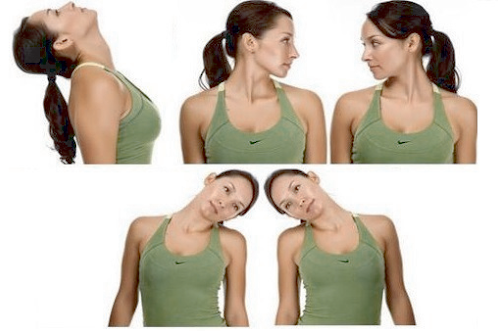
Neck Movements (No Forward Bending)
These movements are intended to stay light and controlled.
Hold each position for up to 30 seconds, once daily if tolerated.
If dizziness, headache pressure, or discomfort appears, shorten the hold or skip the movement for now.
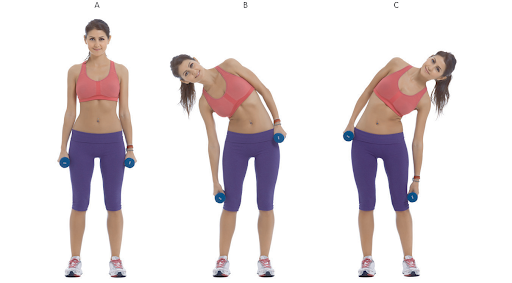
Side Bends
Hold each position for up to 30 seconds, staying within comfort.
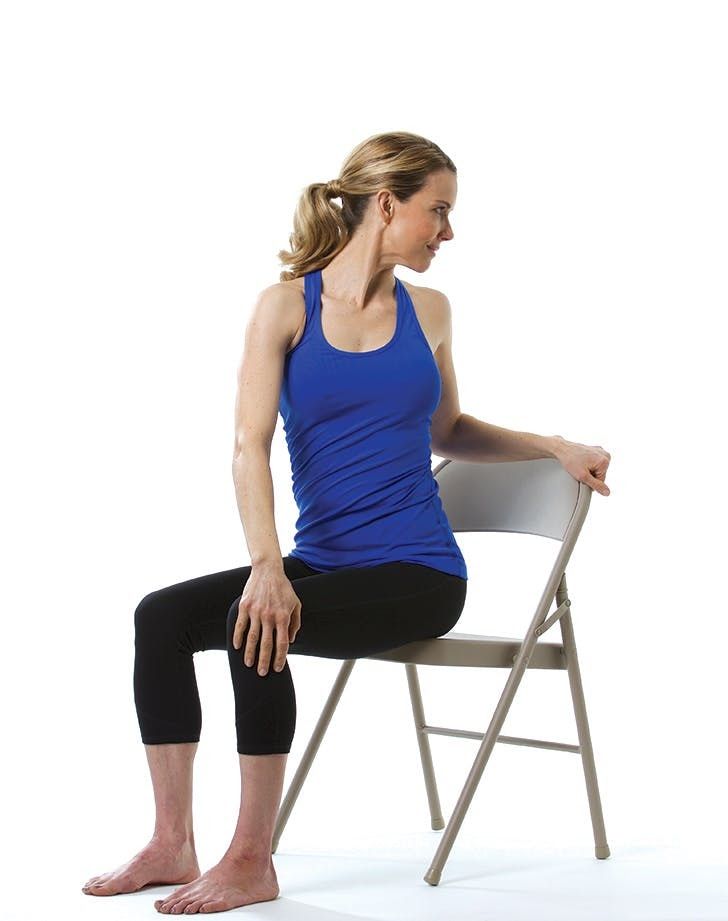
Spinal Twists
Hold each side for up to
30 seconds. These can be done seated on a chair, couch, or bed for added support.
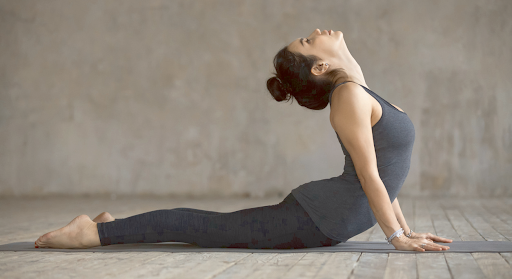
Spinal Extensions
Hold gently for up to
30 seconds, allowing the spine to open without strain.
Child’s Pose
Hold each stretch for up to 30 seconds, one side at a time when applicable.
Use pillows, blocks, or folded towels for support — there is no benefit to forcing depth.
Images are provided as visual guides only. Your version of each stretch may look slightly different, and that’s okay.
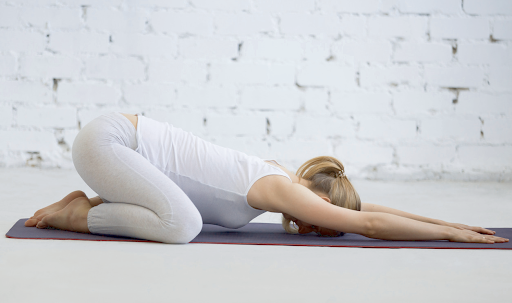
Hamstring stretches
Hold each stretch for up to 30 seconds, one side at a time when applicable.
Use pillows, blocks, or folded towels for support — there is no benefit to forcing depth.
Images are provided as visual guides only. Your version of each stretch may look slightly different, and that’s okay.
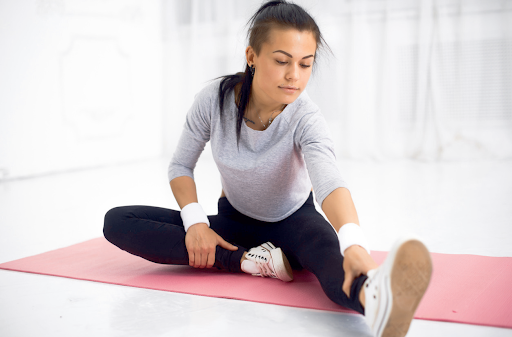
Quadriceps Stretches
Hold each stretch for up to 30 seconds, one side at a time when applicable.
Use pillows, blocks, or folded towels for support — there is no benefit to forcing depth.
Images are provided as visual guides only. Your version of each stretch may look slightly different, and that’s okay.
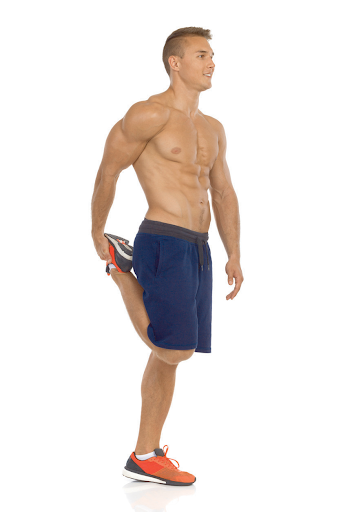
Butterfly Stretches
Hold each stretch for up to 30 seconds, one side at a time when applicable.
Use pillows, blocks, or folded towels for support — there is no benefit to forcing depth.
Images are provided as visual guides only. Your version of each stretch may look slightly different, and that’s okay.
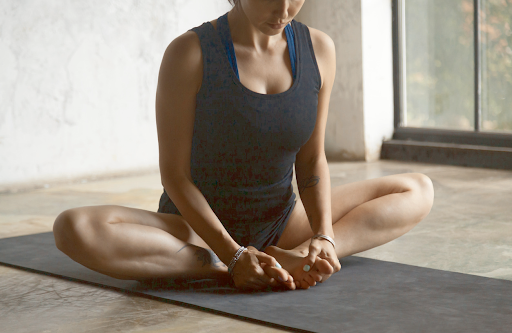
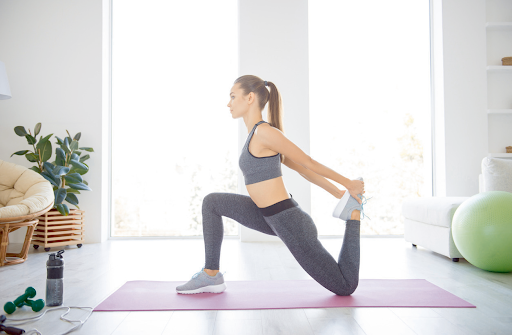
Hip Flexor Stretches
Hold each stretch for up to 30 seconds, one side at a time when applicable.
Use pillows, blocks, or folded towels for support — there is no benefit to forcing depth.
Images are provided as visual guides only. Your version of each stretch may look slightly different, and that’s okay.
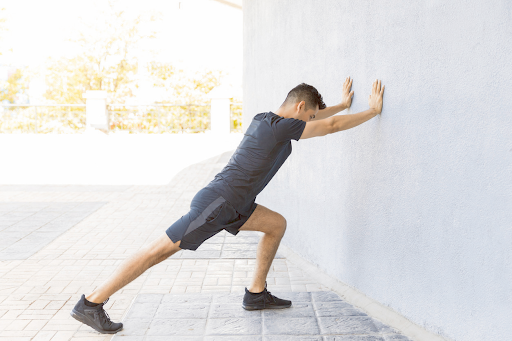
Calf Stretches
Hold each stretch for up to 30 seconds, one side at a time when applicable.
Use pillows, blocks, or folded towels for support — there is no benefit to forcing depth.
Images are provided as visual guides only. Your version of each stretch may look slightly different, and that’s okay.
Home Care Lesson #3: Sitting, Standing, and the Importance of Movement
Both sitting and standing place demands on the body. Neither is inherently “bad” — problems tend to arise when we stay in any one position for too long without change.
Rather than aiming for a perfect posture, the more helpful goal is regular movement and position changes. Your body is designed to adapt and shift, not to hold still for hours at a time.
Sitting: Support Over Perfection
When sitting, the spine naturally carries load through a combination of discs, joints, and muscles. Over time, staying in a single seated position — especially a slouched or rigid one — can increase discomfort, stiffness, or fatigue.
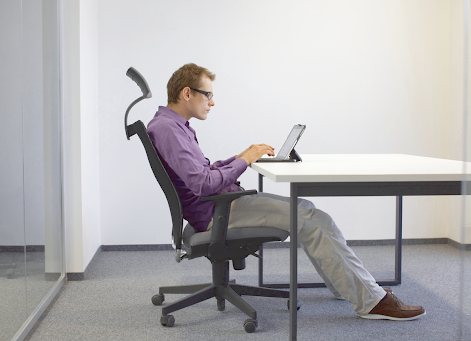
A more supportive seated setup often includes:
- Sitting slightly forward on the chair
- Knees positioned a bit lower than hips if comfortable
- Feet resting under or slightly behind the knees
- A relaxed, upright posture without forcing the chest or neck
This position allows the pelvis and spine to move more naturally. That said, no single sitting position is ideal forever.
A helpful strategy is to alternate positions:
- Sit more upright for a few minutes
- Then sit back with your spine supported by the chair
- Switch again after several minutes
Every 10–15 minutes, aim to change something — stand up, walk briefly, stretch, or gently shift your weight. Even small movements help reduce strain and calm the nervous system.
If walking isn’t possible, standing up and doing light movements — such as gentle twists or rocking the hips — can be just as helpful.
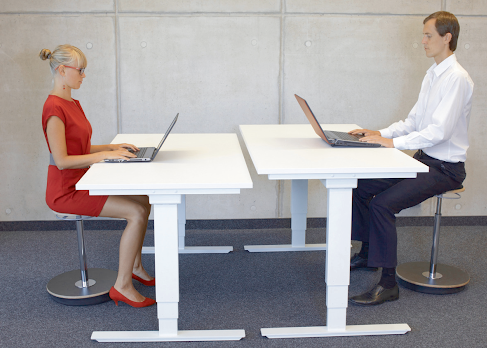
Standing: Helpful, But Not a Cure-All
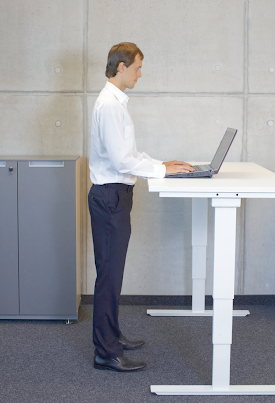
Standing desks and standing workstations have become popular, but standing still for long periods can also lead to discomfort — particularly in the lower back, hips, legs, and feet.
The issue isn’t standing itself — it’s standing without movement.
If your work requires standing:
- Shift your weight frequently
- Take a seat for a couple of minutes when possible
- Walk briefly every 10–15 minutes if you can
If sitting isn’t an option, even small changes — stepping side to side, changing foot position, or gentle movement — can help reduce fatigue.
If Your Job Is Physically Demanding
Some jobs require prolonged standing, walking, or repetitive movement. Over time, this can add up — especially for people with chronic pain or joint sensitivity.
In these cases:
- Comfortable, supportive footwear matters
- Taking breaks whenever possible is important
- Regular care and mobility support can help your body recover
If changes at work aren’t realistic right now, focusing on what is within your control — rest, recovery, and supportive care — can make a meaningful difference.
The Takeaway
Perfect posture is unattainable every minute of every day.
Instead of focusing on perfection, focus on movement, variety, and listening to your body.
If you notice patterns — more pain after sitting, standing, or certain tasks — that information helps us adjust care and support your body more effectively. Share what you notice at your next visit so we can work with it together.
Home Care Lesson #4: Work Ergonomics and Everyday Movement
How to Bend and Lift
Bending and lifting are common parts of daily life. Discomfort often shows up not because these movements are “wrong,” but because they are done quickly, repeatedly, or when the body is already fatigued or irritated.
Your spine is designed to move. Supporting it with awareness and pacing can help reduce unnecessary strain.
A helpful approach is to use what we call supported or protected bending.
When bending to pick something up from the floor:
- Bend at the knees instead of folding fully at the waist
- Place one hand on your thigh or knee for extra support
- Use your free hand to pick up the object
- Move slowly and stay within a comfortable range
When lifting something heavier:
- Ask for help whenever possible
- Bring your chest and hips closer to the object before lifting
- Keep the object close to your body
- Use your legs to help you rise rather than pulling with your back
- Breathe steadily as you lift
When setting the object down, reverse the process. Stay close to the object, bend the knees, and move with control.
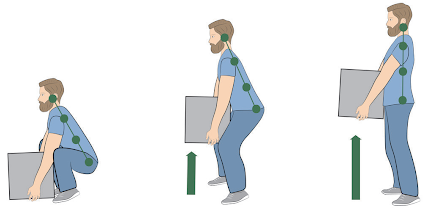
If your back already feels irritated or sensitive, limit lifting to very light items only. Placing one foot slightly forward can help you share the load through your legs while bending carefully.
How to Carry Objects
Carrying items away from the center of your body can create uneven strain over time.
This includes things like:
- Suitcases
- Buckets
- Laundry baskets
- Baby carriers
- Grocery bags
Whenever possible:
- Hold items close to your body
- Keep them near your midline
- Avoid carrying heavy objects on one side for long periods
If you must carry something to one side, switch sides every few minutes. This allows both sides of your body to share the workload and reduces fatigue.
This idea also applies to everyday tasks like housework or yard work.
For example:
- Switch hands when sweeping or mopping
- Alternate sides when raking or shoveling
- Change positions regularly when using tools
Frequent position changes help reduce stiffness and overuse.
A Realistic Perspective on Work and Pain
For many people, work is where the body spends the most time under load. Sitting, standing, lifting, walking, or repeating the same motions day after day can add up, especially if you already live with chronic pain.
The goal is not to eliminate stress on the body. That is not realistic. The goal is to reduce unnecessary strain and give your body regular opportunities to reset.
Small adjustments, frequent movement, and supportive habits can make a meaningful difference over time. If you notice certain tasks consistently trigger discomfort, that information helps us guide care and make better recommendations for you.
Key Takeaway
You do not need perfect form.
You need awareness, support, and variety.
Move slowly when you can. Keep loads close. Change positions often. And listen to what your body tells you during and after activity.
Home Care Lesson #5: Home Ergonomics and Daily Activities
For many people, work is a major source of physical stress. Everyday activities at home often come in a close second. These tasks usually feel harmless, but over time they can add up.
Think about how often you do things like:
- Cleaning
- Laundry
- Washing dishes
- Moving furniture or boxes
- Yard work or landscaping
- Home projects or remodeling
- Commuting
- Working from a home office
- Sleeping on a pillow or mattress that does not feel supportive
None of these activities are “bad.” Problems tend to arise when they are done for long periods without breaks or position changes.
Helpful Habits at Home
As you move through your day, small adjustments can help reduce strain.
Use your eyes more than your neck.
When washing dishes, cooking, or working at a desk, try looking down with your eyes instead of dropping your head forward.
Alternate positions and sides.
During activities like cleaning, yard work, or organizing, switch hand positions and sides often. Change how you hold tools, mops, sponges, or brooms. For example, sweep one area with one hand position, then switch before moving on to the next space.
Take movement breaks.
If you have been bending, sitting, or working in awkward positions, pause to stretch, stand up, or walk for a few minutes.
Stay within your limits.
Be mindful not to lift or carry more than feels manageable for your body on that day. Asking for help is a form of self-care, not a setback.
Limit long periods of sitting.
Try not to stay seated in office chairs, recliners, or couches for extended stretches of time. After about 15 minutes, get up and move, stretch gently, or walk for a few minutes before sitting again.
The Big Picture
Daily life places repeated demands on the neck, back, and joints. Over time, those demands can build up, especially if your body is already sensitive or dealing with chronic pain.
The goal is not to do everything perfectly. The goal is to reduce unnecessary strain and support recovery by using awareness, movement, and pacing.
As these habits become part of your routine, many people notice less stiffness, fewer flare-ups, and more energy for the things that matter most to them.
Home Care Lesson #6:
Choosing the Right Pillow
When it comes to neck comfort during sleep, pillow size matters more than price or brand. Choosing a pillow is a lot like choosing shoes. It does not matter how popular or expensive they are if they do not fit your body well.
One helpful starting point is pillow height, especially if you sleep on your side.
A simple way to estimate pillow size is to measure the distance from:
- The bony area just behind your ear
- To the outer edge of your shoulder
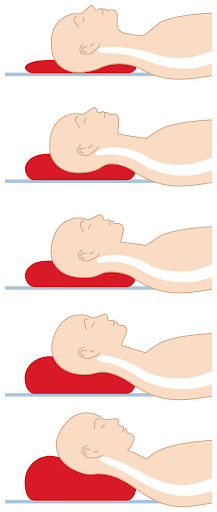
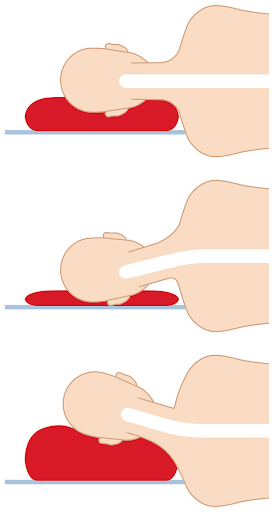
This measurement gives you a rough idea of how tall your pillow should be once it is compressed by the weight of your head while lying on your side. Because body shapes vary, this measurement will be different for everyone.
When a pillow is close to the right height, it can help keep your head more comfortably aligned with the rest of your spine during side sleeping. Pillows that are too high or too low may leave the neck angled upward or downward for long periods, which can contribute to stiffness or tension by morning.
Why Pillow Height Matters
A well-sized pillow helps support the head and neck so they can rest without being forced into an awkward position overnight.
Pillows that are significantly too high may increase the likelihood of waking up with:
- Neck stiffness
- Shoulder tension
- Arm or hand discomfort
These symptoms do not always come from the neck alone, but pillow height can be one contributing factor for some people.
About Pillow Brands and Sizing
Most pillows are sold in one general size, which does not work equally well for every body. A few companies offer pillows in multiple sizes based on body measurements.
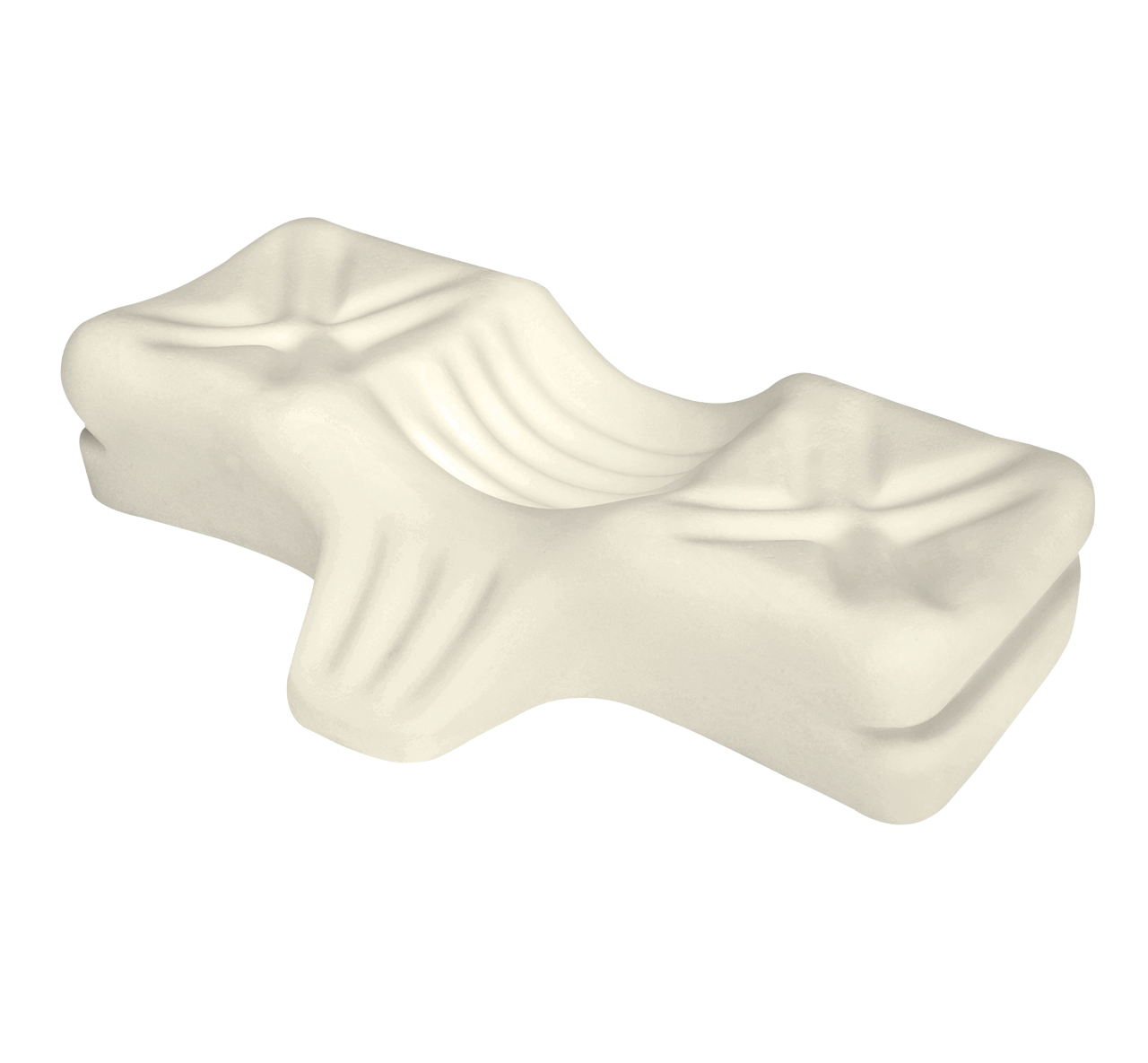
One brand some people find helpful is Therapeutica. Their pillows are designed for back and side sleepers and are available in different sizes. Their website also shows how to measure yourself at home to determine your preferred pillow size, but it's best to be measured in my office to reduce the chance of incorrect measuring.
This is simply one option. By following these guidelines carefully, you may discover that one of the pillows you already own matches the criteria. If that happens, you're good to go.
A Practical Approach
If you are trying a new pillow:
- Give your body time to adjust
- Notice how your neck and shoulders feel in the morning
- Pay attention to changes over several nights rather than one
Better sleep support does not mean perfect sleep. It means reducing unnecessary strain so your body has a better chance to rest and recover.
If you would like help thinking through pillow options or sizing, feel free to ask at your next visit. I am happy to guide you based on your individual needs.
Key Takeaway
The “right” pillow is the one that supports your neck comfortably and allows your body to rest without forcing a position. Fit matters more than trends.
Home Care Lesson #7: Choosing the Right Mattress
Quality sleep plays an important role in how your body recovers from daily stress. When sleep is disrupted by discomfort, stiffness, or pain, it becomes harder for the body to settle and reset overnight.
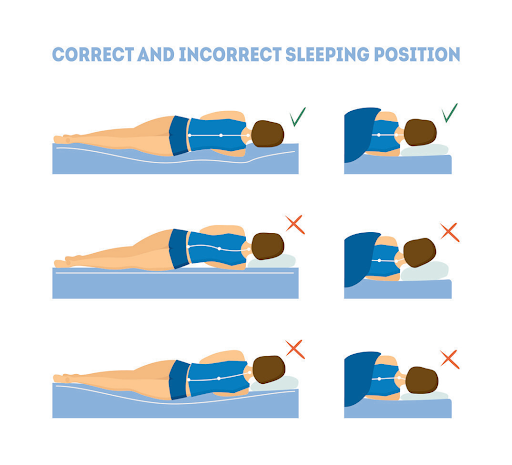
Creating a more comfortable sleep setup often starts with sleep position, followed closely by mattress support.
Sleep Positions That Tend to Be More Supportive
Many people find these positions feel more comfortable for the spine:
- Sleeping on your side with the knees gently bent
- Sleeping on your back, with or without a pillow under the knees
These positions generally place less strain on the lower back than stomach sleeping or twisted positions. That said, comfort matters more than rules. If a position feels supportive and allows you to rest, it is likely a good choice for your body.
How Mattress Firmness Comes Into Play
People often ask what type of mattress is best. A helpful guideline is this:
The best mattress is one that feels as firm as tolerable while still allowing you to relax.
For many people, this means a mattress that leans slightly firmer but does not feel hard or uncomfortable. Mattresses that are very soft may allow the body to sink unevenly, which can leave the spine feeling unsupported for some sleepers. Firmer support can help maintain a more neutral position through the night, but only if it still feels comfortable enough to rest on.
There is no single firmness level that works for everyone. Body size, sleep position, sensitivity, and personal comfort all matter.
Take Your Time When Mattress Shopping
Choosing a mattress is not something that can be decided in a few minutes.
When testing a mattress:
- Lie down in your usual sleep position
- Stay there long enough for your body to settle
- Give yourself at least 30 to 45 minutes if possible
- Move, roll, and relax the way you would at home
Spending real time on a mattress gives you a much better sense of how it may feel after hours of sleep, not just the first few minutes.
About Adjustable Mattresses
Some people find adjustable mattresses helpful because they allow firmness to be changed over time. One example is the Sleep Number Bed, which uses adjustable air chambers so firmness can be fine-tuned.
These types of mattresses can also be useful for partners who prefer different firmness levels. This is simply one option among many. It is not a requirement, and it may not be the right choice for everyone.
Pay Attention to the Return Policy
No matter which mattress you choose, make sure the return policy allows enough time to truly test it at home. Sleeping on a mattress for several weeks is often the only way to know whether it works for your body.
Having the option to return or exchange it reduces pressure and makes the process less stressful.
Key Takeaway
Better sleep support is about comfort, alignment, and choice. The right mattress is the one that helps your body feel more settled at night and less strained in the morning.
If you have questions about sleep positions or mattress support, feel free to bring them up at your next visit. We can talk through what feels best for your body and your specific needs.
Home Care Lesson #8: Using Diet to Support Comfort
There is no single way of eating that works for everyone. Nutrition is highly individual and influenced by many factors, including biology, lifestyle, stress levels, and personal health history.
This is why certain eating approaches may feel helpful for some people and not for others. What matters most is how your body responds over time, not following a plan perfectly.
For people living with chronic pain, stiffness, or inflammation, food choices can sometimes influence how the body feels day to day. Some people notice changes in energy, soreness, or flare-ups based on what they eat. Others notice very little difference. Both experiences are valid.
A practical place to start is with general dietary frameworks that emphasize whole foods and awareness of how your body responds. Two commonly discussed approaches include:
These styles differ significantly, and neither is a requirement. They are simply examples of structured ways people explore how food affects their symptoms.
If you choose to explore dietary changes:
- Make one change at a time
- Give your body time to respond
- Notice patterns rather than day-to-day fluctuations
- Avoid extremes that increase stress or restriction
Dietary changes should feel supportive, not overwhelming. If food choices become stressful or confusing, that stress alone can work against your body’s ability to settle.
If you have medical conditions, food sensitivities, or questions about nutrition, working with a qualified healthcare or nutrition professional is recommended.
Key Takeaway
Food can be one piece of the overall picture when it comes to comfort and recovery. There is no perfect diet, only patterns that may or may not work for you. Listening to your body and making sustainable choices matters more than following rules.
Home Care Lesson #9: Sleep and Recovery
Sleep plays a major role in how the body feels, recovers, and manages daily stress. When sleep is disrupted, pain often feels more noticeable. When pain is present, sleep can become harder. This back-and-forth can be frustrating, especially for people living with chronic pain.
Many adults feel their best with somewhere between 7 and 9 hours of sleep, but quality matters just as much as quantity. Restorative sleep helps the nervous system settle and gives the body time to repair and reset.
Understanding Inflammation in Simple Terms
Inflammation is part of the body’s natural response to stress, injury, or illness. In short bursts, it is a normal and helpful process. It supports healing and protection.
Sometimes, inflammation can become more persistent. When that happens, people may notice ongoing soreness, stiffness, sensitivity, or fatigue. This does not mean the body is broken. It often means the system is having a harder time fully settling and recovering.
How Pain and Sleep Affect Each Other
Pain can make it harder to fall asleep or stay asleep. Waking up uncomfortable can increase tension or worry about sleep, which can then make the next night more difficult.
Poor sleep can also make the body feel more sensitive the next day. People may notice:
- More stiffness in the morning
- Lower energy
- Increased irritability
- Heightened awareness of pain
This does not mean sleep alone causes pain or that pain will disappear with perfect sleep. It simply means the two are closely connected.

Breaking the Cycle Gently
Improving sleep does not require perfection. Small, consistent habits can help your body feel more supported over time.
Some helpful sleep habits include:
Keep a consistent schedule.
Try to go to bed and wake up around the same time each day. This helps your body develop a steady rhythm.
Create a calming sleep environment.
A quiet, dark, and cool room tends to support better sleep. Reducing light and noise can make it easier for the nervous system to settle.
Limit screen time before bed.
Phones, TVs, and tablets can make it harder for the body to shift into rest mode. Turning them off earlier can be helpful, even if it feels difficult at first.
Wind down gradually.
Gentle routines like stretching, reading, or quiet breathing can signal to your body that it is time to rest.
Be patient with yourself.
If sleep does not improve right away, that does not mean you are doing something wrong. Progress is often gradual.
When to Seek Extra Support
If pain, inflammation, or sleep issues feel overwhelming or are getting worse, it is important to talk with a qualified healthcare provider. They can help rule out underlying concerns and guide you toward appropriate care.
Key Takeaway
Sleep and pain influence each other, but they do not define you or your progress. Supporting sleep is about creating conditions for rest, not forcing your body to sleep. Small, steady changes often make the biggest difference over time.
Home Care Lesson #10: Exercising in a Supportive and Sustainable Way
Regular movement and exercise can be very helpful for long-term spine health, strength, and overall well-being. At the same time, how you exercise matters. Poor form, excessive load, or pushing past your body’s capacity can increase the risk of setbacks, especially if you already live with pain or sensitivity.
The goal of exercise is not to prove strength. The goal is to build and maintain capacity without overwhelming the body.
Strength Training: Choose Smart, Not Extreme
If you lift weights or plan to, some movements require extra care. Exercises like squats and deadlifts can be effective when performed well, but they also place higher demands on the spine.
If you choose to include these movements:
- Use weights you can fully control
- Pay close attention to form
- Stop if your back or legs begin to shake or strain
- Avoid pushing through discomfort
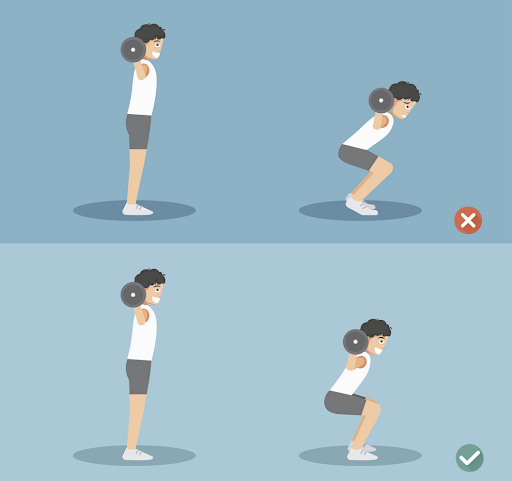
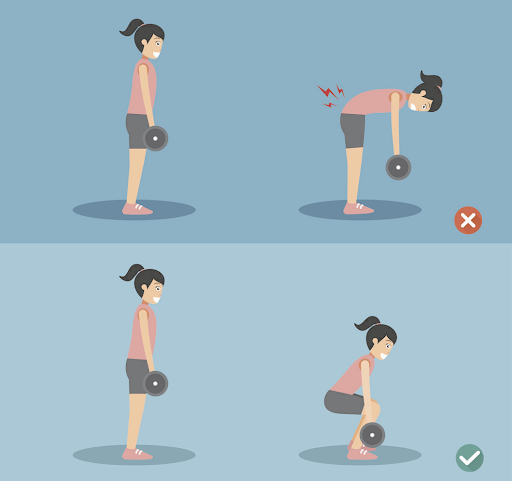
Skipping certain exercises does not mean you are skipping a good workout. Many people get excellent strength and conditioning benefits from alternatives that place less stress on the spine.
Examples may include:
- Lunges
- Leg curls
- Step-ups
- Bodyweight or supported lower-body exercises
A qualified personal trainer can help you find substitutions that match your goals while respecting your body.
Additional Strength Training Tips
- During back extension exercises, stop when your spine is in line with your hips and legs. Avoid pushing into excessive arching.
- When using a leg press, keep your head supported against the back pad throughout the movement.
- Breathe steadily during lifts. Slow, controlled breathing helps reduce unnecessary tension.
- Allow adequate recovery time between workouts for the same muscle groups.
- Support exercise with rest, hydration, and regular meals. Recovery is part of training, not a break from it.
About Chasing Heavier Weights
Many injuries happen not from exercise itself, but from constantly pushing for heavier and heavier loads. The body has limits based on sleep, nutrition, stress, and recovery. When those limits are ignored, the risk of injury increases.
For many people, a more sustainable approach is to:
- Reach a reasonable strength goal
- Stay within a comfortable weight range
- Focus on consistency, control, and endurance
Maintaining strength often supports long-term health better than continually pushing maximum limits.
Cardio Options That Are Easier on the Joints
Low-impact cardiovascular exercise is often better tolerated, especially for people with back or joint sensitivity.
Options many people find helpful include:
- Swimming or water-based exercise
- Elliptical machines
- Full-body cardio machines that reduce joint impact
Different bodies respond differently. If a movement causes pain or irritation, it may not be the right choice for you right now.
Key Takeaway
Exercise should support your life, not compete with it. The best routine is one you can do consistently without fear, strain, or recovery setbacks.
Choose movements you can control. Respect your limits. Allow recovery. And remember that progress does not have to mean pushing harder. Often, it means moving smarter.
Home Care Lesson #11: The Value of Routine Care
Bodies respond best to consistency. The things we do repeatedly, both helpful and unhelpful, tend to shape how we feel over time. Daily life places ongoing demands on the body. Sitting, standing, working, commuting, exercising, and sleeping all add up. Even when none of these activities are harmful on their own, the cumulative effect can lead to stiffness, tension, or sensitivity if the body does not have regular opportunities to reset.
Routine care is one way to give your body that support.
Why Routine Matters
Most people already understand the value of routine in other areas of life. We brush our teeth regularly, maintain our cars, eat consistently, and sleep nightly. We do these things not because something is broken, but because consistency helps prevent small issues from becoming bigger ones.
The body works in a similar way. Occasional care can be helpful, but it often does not fully offset the ongoing physical stress of daily life. One session may provide relief, but without follow-up, tension and restriction can gradually return.
How Routine Myofascial Release Helps
Myofascial release focuses on easing restrictions in the connective tissue and calming the nervous system. Over time, fascia can become tight or guarded in response to stress, posture, injury, or pain.
Routine MFR sessions may help by:
- Reducing the buildup of tension between visits
- Releasing endorphins to help ease discomfort.
- Supporting more consistent comfort and movement
- Helping the nervous system spend more time in a settled state
- Making it easier to respond to daily stress without flaring
This is not about fixing something that is broken. It is about maintenance, support, and resilience.
Routine Does Not Mean Forever or Rigid
Routine care is not a rule or a requirement. Frequency can change based on:
- How your body feels
- Your stress levels
- Your activity demands
- Your goals
Some people benefit from regular biweekly or monthly sessions. Others prefer spacing visits out once their body feels more stable. The right routine is the one that fits your life and supports how you want to feel.
Key Takeaway
Routine care is not about chasing symptoms or preventing the future. It is about giving your body consistent opportunities to unwind, adapt, and recover from the demands of daily life.
When care becomes part of a routine, many people find it easier to maintain progress rather than constantly trying to regain it.
If you are curious about what a supportive care schedule might look like for you, we can always talk through it together and adjust as needed.
Posture Exercises
NOTE: Do not perform any of these unless they have been prescribed by Dr. Keysar
Cervical Curve Exercise (C-curve)
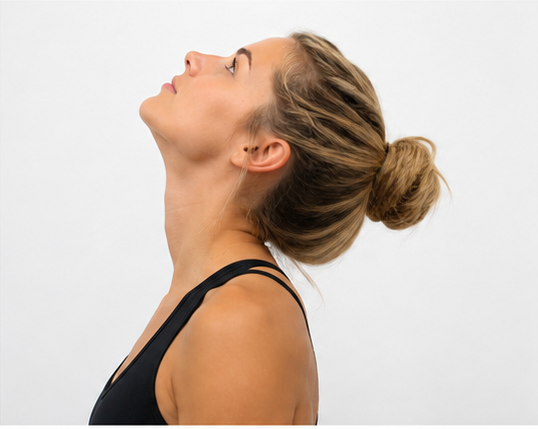
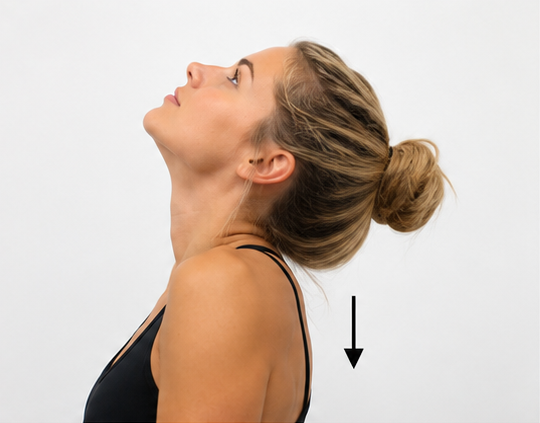
- Stand or sit comfortably upright, facing forward. Tilt head up and look towards ceiling. (See figure 1).
- Shrug head downward between shoulder blades, while keeping shoulders still. (See figure 2).
- Hold this position for 1 minute. When time is up, you are done.
- Each day, increase the time you hold the position by 30 seconds. For example, the first day, you would hold for 1 minute. The next day, 1 minute and 30 seconds; the next day, 2 minutes, etc, etc.
- Do not ever exceed 15 minutes total holding time per exercise.
- Exercise may cause mild soreness; this is normal. If exercise causes pain, stop and let the doctor know.
Right Head Tilt
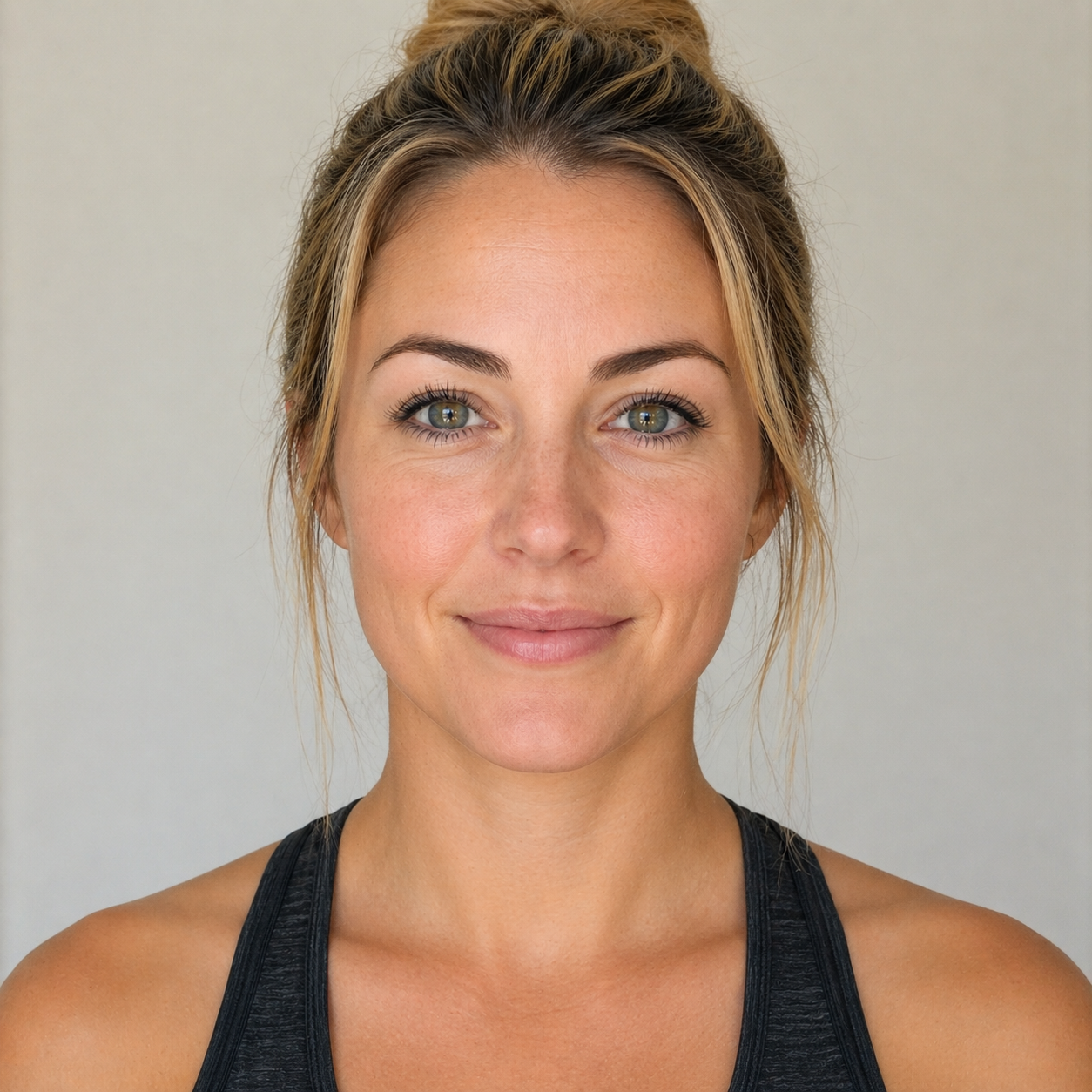

1. Begin in seated or standing position. Look straight ahead. (See Figure 1.)
2. Tilt head to the right as far as possible. Keep face pointing forward. (See Fig. 2.)
3. Hold this position for 1 minute. When time is up, you are done.
4. Each day, increase the time you hold the position by 30 seconds. For example, the first day, you would hold for 1 minute. The next day, 1 minute and 30 seconds; the next day, 2 minutes, etc, etc.
5. Do not exceed 15 minutes total holding time per exercise.
6. Exercise may cause mild soreness; this is normal. If exercise causes pain, stop and let the doctor know.
Left Head Tilt

1. Begin in seated or standing position. Look straight ahead. (See Figure 1.)
2. Tilt head to the left as far as possible. Keep face pointing forward. (See Fig. 2.)
3. Hold this position for 1 minute. When time is up, you are done.
4. Each day, increase the time you hold the position by 30 seconds. For example, the
first day, you would hold for 1 minute. The next day, 1 minute and 30 seconds; the
next day, 2 minutes, etc, etc.
5. Do not exceed 15 minutes total holding time per exercise.
6. Exercise may cause mild soreness; this is normal. If exercise causes pain, stop and
let the doctor know.
Right Head Rotation


1. Begin in a seated or standing position. Look straight ahead. (See figure 1).
2. Turn head to the right as far as possible. Do not tilt the head. (See figure 2).
3. Hold this position for 1 minute. When time is up, you are done.
4. Each day, increase the time you hold the position by 30 seconds. For example, the first day, you would hold for 1 minute. The next day, 1 minute and 30 seconds; the next day, 2 minutes, etc, etc.
5. Do not ever exceed 15 minutes total holding time per exercise.
6. Exercise may cause mild soreness; this is normal. If exercise causes pain, stop and let the doctor know.
Left Head Rotation

1. Begin in a seated or standing position. Look straight ahead. (See figure 1).
2. Turn head to the left as far as possible. Do not tilt the head. (See figure 2).
3. Hold this position for 1 minute. When time is up, you are done.
4. Each day, increase the time you hold the position by 30 seconds. For example, the first day, you would hold for 1 minute. The next day, 1 minute and 30 seconds; the next day, 2 minutes, etc, etc.
5. Do not ever exceed 15 minutes total holding time per exercise.
6. Exercise may cause mild soreness; this is normal. If exercise causes pain, stop and let the doctor know.
Right Head Shift


1. Place right shoulder and foot against wall. Stand straight up. (See figure 1).
2. Shift head to the right as if trying to listen to something. Do not turn or tilt the head. Push as far as possible. (See figure 2).
3. Hold this position for 1 minute. When time is up, you are done.
4. Each day, increase the time you hold the position by 30 seconds. For example, the first day, you would hold for 1 minute. The next day, 1 minute and 30 seconds; the next day, 2 minutes, etc, etc.
5. Do not ever exceed 15 minutes total holding time per exercise.
6. Exercise may cause mild soreness; this is normal. If exercise causes pain, stop and let doctor know.
Left Head Shift


1. Place left shoulder and foot against wall. Stand straight up. (See figure 1).
2. Shift head to the left as if trying to listen to something. Do not turn or tilt the head. Keep eyes level. Push as far as possible. (See figure 2).
3. Hold this position for 1 minute. When time is up, you are done.
4. Each day, increase the time you hold the position by 30 seconds. For example, the first day, you would hold for 1 minute. The next day, 1 minute and 30 seconds; the next day, 2 minutes, etc, etc.
5. Do not ever exceed 15 minutes total holding time per exercise.
6. Exercise may cause mild soreness; this is normal. If exercise causes pain, stop and let doctor know.
Posterior Head Shift
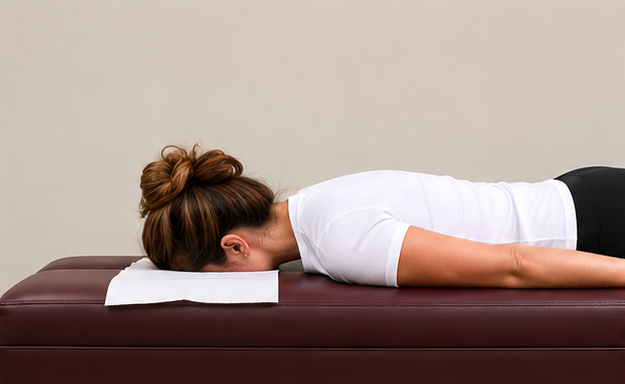
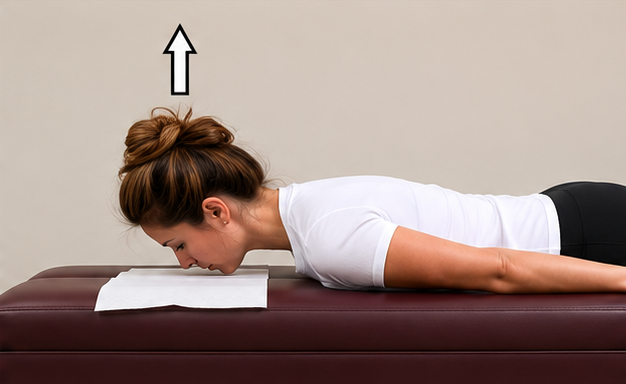
1. Lie flat on floor or bed, face down. Arms at your sides. (See figure 1).
2. Raise the head only, without raising the shoulders or lower back. Do not tilt the head back. (See figure 2).
3. Hold this position for 1 minute. When time is up, you are done.
4. Each day, increase the time you hold the position by 30 seconds. For example, the first day, you would hold for 1 minute. The next day, 1 minute and 30 seconds; the next day, 2 minutes, etc, etc.
5. Do not exceed 15 minutes total holding time per exercise.
6. Exercise may cause mild soreness; this is normal. If exercise causes pain, stop and let the doctor know.
Head Extension Exercise
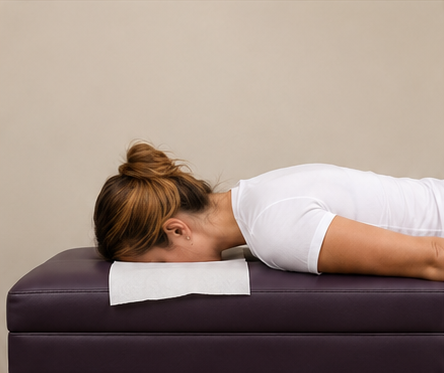
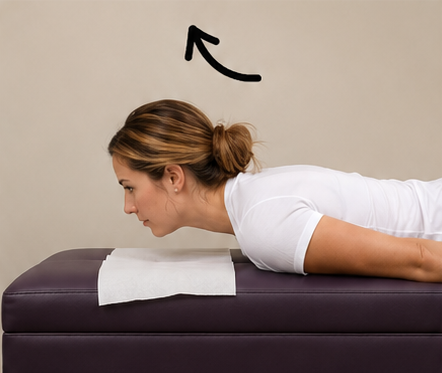
1. Lie flat on floor or bed, face down. Arms at your sides. (See figure 1)
2. Raise the head only, without raising the shoulders or lower back, and look at the wall in front of you. (See figure 2)
3. Hold this position for 1 minute. When time is up, you are done.
4. Each day, increase the time you hold the position by 30 seconds. For example, the first day, you would hold for 1 minute. The next day, 1 minute and 30 seconds; the next day, 2 minutes, etc, etc.
5. Do not exceed 15 minutes total holding time per exercise.
6. Exercise may cause mild soreness; this is normal. If exercise causes pain, stop and let the doctor know.
Head Extension Stretch
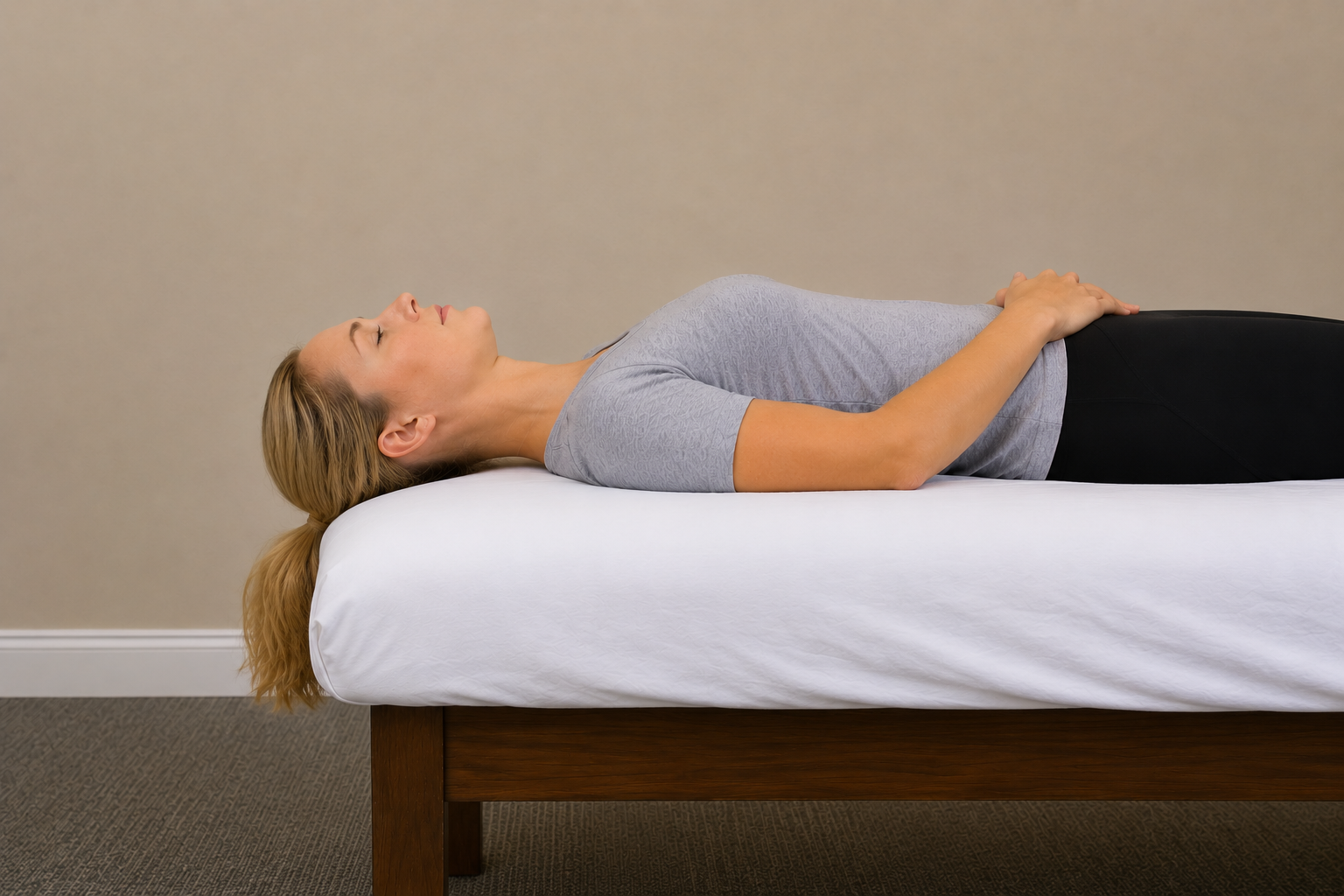
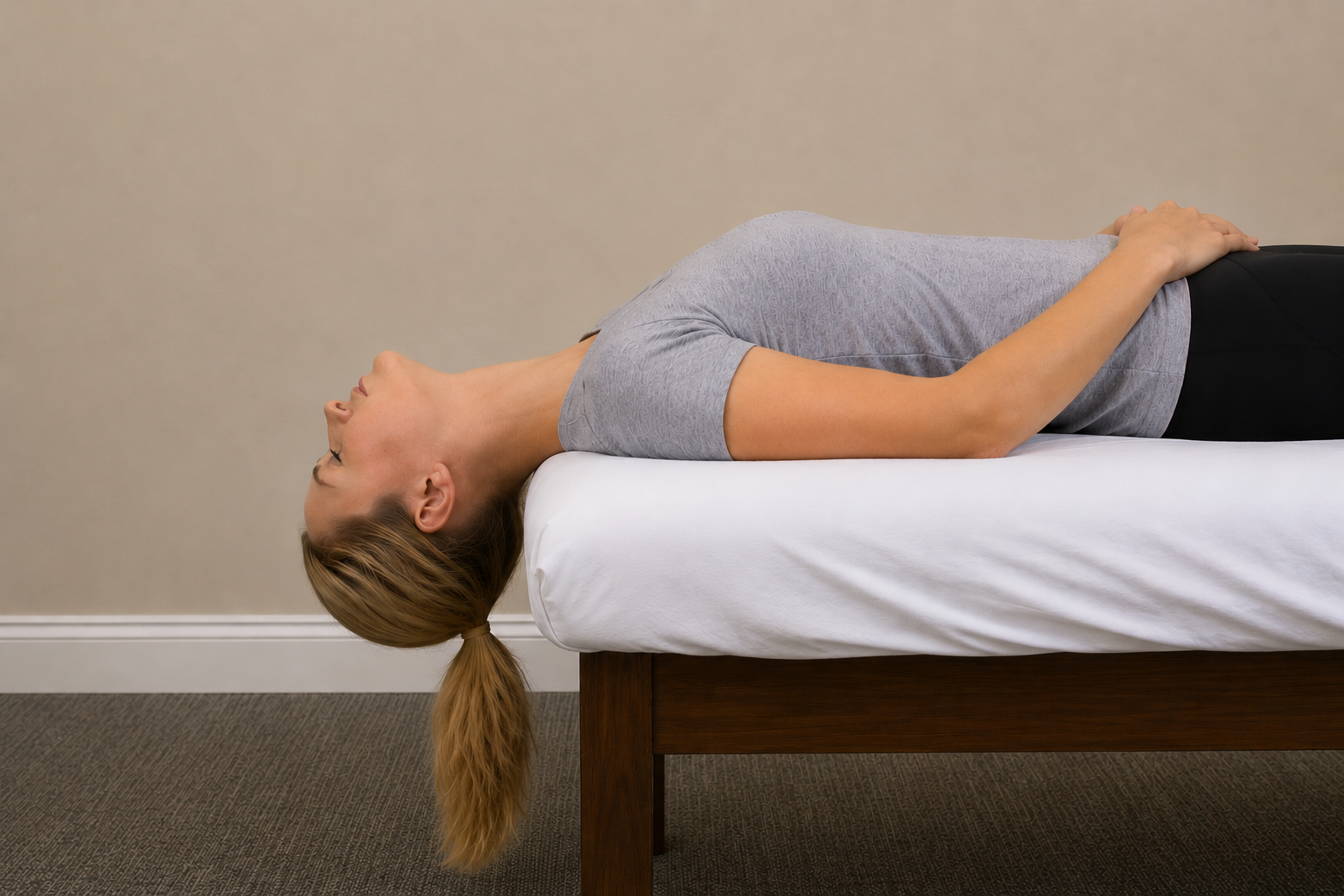
- Lay on your back on your bed with your head near the foot of the bed. If you have a footrail on your bed, then lay crossways.
- Slide your body up towards your head and the edge of the bed until your head starts to hang off the edge (It is not required for your head to hang freely in the air. A good stretch is sufficient.)
- Maintain this position for 30 seconds. When time is up, you are done.
- Slide your body down, bringing your head back on to the bed. Lay still for 10 seconds.
- Roll on to your side and slowly raise yourself up.
- Repeat once per day. Increase your hang time by 30 seconds each day. Do not move to the next time interval until you achieve the time interval you are attempting.
- If you start to experience dizziness, nausea, vertigo, headache, or ringing in your ears during the stretch, stop doing this stretch and notify your doctor.
Right Chest Tilt
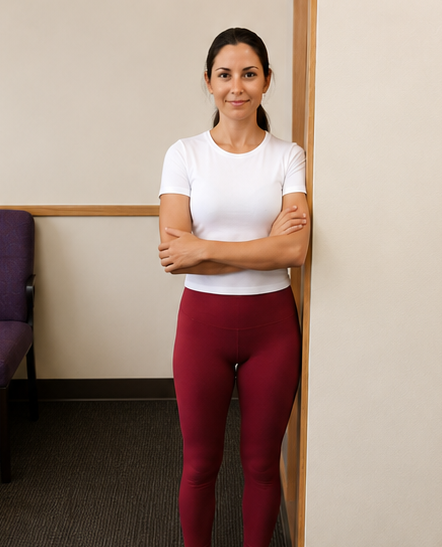
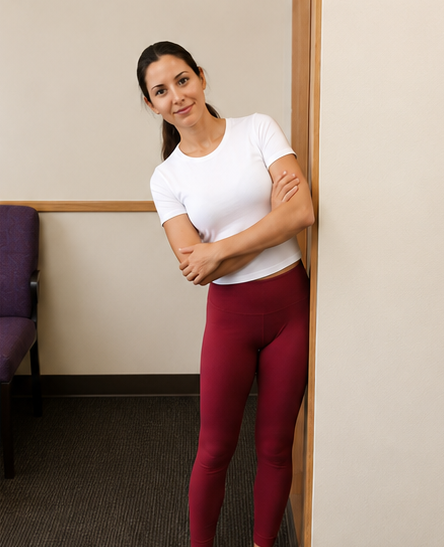
1. Stand straight up with knees locked. Place left hip and foot against wall. Cross arms in front of stomach. (See figure 1).
2. Tilt chest to the right as far as possible, keeping head in line with the shoulders. (See figure 2).
3. Hold this position for 1 minute. When time is up, you are done.
4. Each day, increase the time you hold the position by 30 seconds. For example, the first day, you would hold for 1 minute. The next day, 1 minute and 30 seconds; the next day, 2 minutes, etc, etc.
5. Do not ever exceed 15 minutes total holding time per exercise.
6. Exercise may cause mild soreness; this is normal. If exercise causes pain, stop and let the doctor know.
Left Chest Tilt
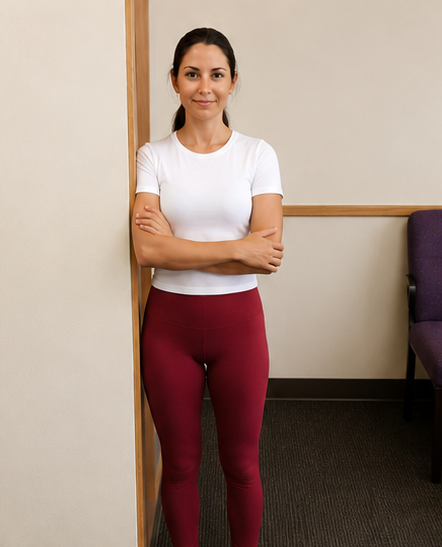
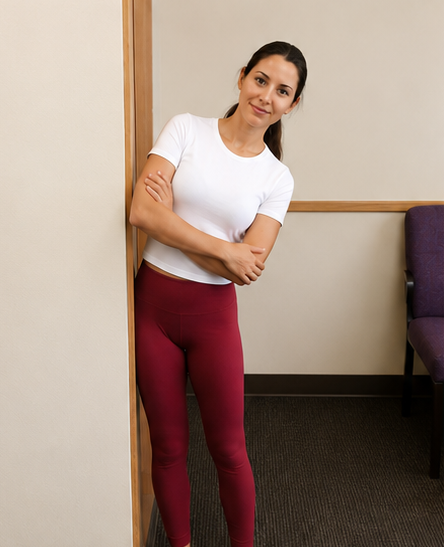
1. Stand straight up with knees locked. Place right hip and foot against wall. Cross arms in front of stomach. (See figure 1).
2. Tilt chest to the left as far as possible, keeping head in line with the shoulders. (See figure 2).
3. Hold this position for 1 minute. When time is up, you are done.
4. Each day, increase the time you hold the position by 30 seconds. For example, the first day, you would hold for 1 minute. The next day, 1 minute and 30 seconds; the next day, 2 minutes, etc, etc.
5. Do not ever exceed 15 minutes total holding time per exercise.
6. Exercise may cause mild soreness; this is normal. If exercise causes pain, stop and let the doctor know.
Right Chest Rotation
1. Begin in seated or standing position. Look straight ahead. (See Figure 1.)
2. Tilt head to the left as far as possible. Keep face pointing forward. (See Fig. 2.)
3. Hold this position for 1 minute. When time is up, you are done.
4. Each day, increase the time you hold the position by 30 seconds. For example, the
first day, you would hold for 1 minute. The next day, 1 minute and 30 seconds; the
next day, 2 minutes, etc, etc.
5. Do not exceed 15 minutes total holding time per exercise.
6. Exercise may cause mild soreness; this is normal. If exercise causes pain, stop and
let the doctor know.
Left Chest Rotation
1. Begin in seated or standing position. Look straight ahead. (See Figure 1.)
2. Tilt head to the left as far as possible. Keep face pointing forward. (See Fig. 2.)
3. Hold this position for 1 minute. When time is up, you are done.
4. Each day, increase the time you hold the position by 30 seconds. For example, the
first day, you would hold for 1 minute. The next day, 1 minute and 30 seconds; the
next day, 2 minutes, etc, etc.
5. Do not exceed 15 minutes total holding time per exercise.
6. Exercise may cause mild soreness; this is normal. If exercise causes pain, stop and
let the doctor know.
Right Chest Shift
1. Begin in seated or standing position. Look straight ahead. (See Figure 1.)
2. Tilt head to the left as far as possible. Keep face pointing forward. (See Fig. 2.)
3. Hold this position for 1 minute. When time is up, you are done.
4. Each day, increase the time you hold the position by 30 seconds. For example, the
first day, you would hold for 1 minute. The next day, 1 minute and 30 seconds; the
next day, 2 minutes, etc, etc.
5. Do not exceed 15 minutes total holding time per exercise.
6. Exercise may cause mild soreness; this is normal. If exercise causes pain, stop and
let the doctor know.
Left Chest Shift
1. Begin in seated or standing position. Look straight ahead. (See Figure 1.)
2. Tilt head to the left as far as possible. Keep face pointing forward. (See Fig. 2.)
3. Hold this position for 1 minute. When time is up, you are done.
4. Each day, increase the time you hold the position by 30 seconds. For example, the
first day, you would hold for 1 minute. The next day, 1 minute and 30 seconds; the
next day, 2 minutes, etc, etc.
5. Do not exceed 15 minutes total holding time per exercise.
6. Exercise may cause mild soreness; this is normal. If exercise causes pain, stop and
let the doctor know.
Forward Chest Shift
1. Begin in seated or standing position. Look straight ahead. (See Figure 1.)
2. Tilt head to the left as far as possible. Keep face pointing forward. (See Fig. 2.)
3. Hold this position for 1 minute. When time is up, you are done.
4. Each day, increase the time you hold the position by 30 seconds. For example, the
first day, you would hold for 1 minute. The next day, 1 minute and 30 seconds; the
next day, 2 minutes, etc, etc.
5. Do not exceed 15 minutes total holding time per exercise.
6. Exercise may cause mild soreness; this is normal. If exercise causes pain, stop and
let the doctor know.
Chest Flexion
1. Begin in seated or standing position. Look straight ahead. (See Figure 1.)
2. Tilt head to the left as far as possible. Keep face pointing forward. (See Fig. 2.)
3. Hold this position for 1 minute. When time is up, you are done.
4. Each day, increase the time you hold the position by 30 seconds. For example, the
first day, you would hold for 1 minute. The next day, 1 minute and 30 seconds; the
next day, 2 minutes, etc, etc.
5. Do not exceed 15 minutes total holding time per exercise.
6. Exercise may cause mild soreness; this is normal. If exercise causes pain, stop and
let the doctor know.
Chest Extension
1. Begin in seated or standing position. Look straight ahead. (See Figure 1.)
2. Tilt head to the left as far as possible. Keep face pointing forward. (See Fig. 2.)
3. Hold this position for 1 minute. When time is up, you are done.
4. Each day, increase the time you hold the position by 30 seconds. For example, the
first day, you would hold for 1 minute. The next day, 1 minute and 30 seconds; the
next day, 2 minutes, etc, etc.
5. Do not exceed 15 minutes total holding time per exercise.
6. Exercise may cause mild soreness; this is normal. If exercise causes pain, stop and
let the doctor know.
Right Pelvic Shift
1. Begin in seated or standing position. Look straight ahead. (See Figure 1.)
2. Tilt head to the left as far as possible. Keep face pointing forward. (See Fig. 2.)
3. Hold this position for 1 minute. When time is up, you are done.
4. Each day, increase the time you hold the position by 30 seconds. For example, the
first day, you would hold for 1 minute. The next day, 1 minute and 30 seconds; the
next day, 2 minutes, etc, etc.
5. Do not exceed 15 minutes total holding time per exercise.
6. Exercise may cause mild soreness; this is normal. If exercise causes pain, stop and
let the doctor know.
Left Pelvic Shift
1. Begin in seated or standing position. Look straight ahead. (See Figure 1.)
2. Tilt head to the left as far as possible. Keep face pointing forward. (See Fig. 2.)
3. Hold this position for 1 minute. When time is up, you are done.
4. Each day, increase the time you hold the position by 30 seconds. For example, the
first day, you would hold for 1 minute. The next day, 1 minute and 30 seconds; the
next day, 2 minutes, etc, etc.
5. Do not exceed 15 minutes total holding time per exercise.
6. Exercise may cause mild soreness; this is normal. If exercise causes pain, stop and
let the doctor know.
Forward Pelvic Shift
1. Begin in seated or standing position. Look straight ahead. (See Figure 1.)
2. Tilt head to the left as far as possible. Keep face pointing forward. (See Fig. 2.)
3. Hold this position for 1 minute. When time is up, you are done.
4. Each day, increase the time you hold the position by 30 seconds. For example, the
first day, you would hold for 1 minute. The next day, 1 minute and 30 seconds; the
next day, 2 minutes, etc, etc.
5. Do not exceed 15 minutes total holding time per exercise.
6. Exercise may cause mild soreness; this is normal. If exercise causes pain, stop and
let the doctor know.
Posterior Pelvic Shift
1. Begin in seated or standing position. Look straight ahead. (See Figure 1.)
2. Tilt head to the left as far as possible. Keep face pointing forward. (See Fig. 2.)
3. Hold this position for 1 minute. When time is up, you are done.
4. Each day, increase the time you hold the position by 30 seconds. For example, the
first day, you would hold for 1 minute. The next day, 1 minute and 30 seconds; the
next day, 2 minutes, etc, etc.
5. Do not exceed 15 minutes total holding time per exercise.
6. Exercise may cause mild soreness; this is normal. If exercise causes pain, stop and
let the doctor know.
Right Pelvic Rotation
1. Begin in seated or standing position. Look straight ahead. (See Figure 1.)
2. Tilt head to the left as far as possible. Keep face pointing forward. (See Fig. 2.)
3. Hold this position for 1 minute. When time is up, you are done.
4. Each day, increase the time you hold the position by 30 seconds. For example, the
first day, you would hold for 1 minute. The next day, 1 minute and 30 seconds; the
next day, 2 minutes, etc, etc.
5. Do not exceed 15 minutes total holding time per exercise.
6. Exercise may cause mild soreness; this is normal. If exercise causes pain, stop and
let the doctor know.
Left Pelvic Rotation
1. Begin in seated or standing position. Look straight ahead. (See Figure 1.)
2. Tilt head to the left as far as possible. Keep face pointing forward. (See Fig. 2.)
3. Hold this position for 1 minute. When time is up, you are done.
4. Each day, increase the time you hold the position by 30 seconds. For example, the
first day, you would hold for 1 minute. The next day, 1 minute and 30 seconds; the
next day, 2 minutes, etc, etc.
5. Do not exceed 15 minutes total holding time per exercise.
6. Exercise may cause mild soreness; this is normal. If exercise causes pain, stop and
let the doctor know.
Pelvic Flexion
1. Begin in seated or standing position. Look straight ahead. (See Figure 1.)
2. Tilt head to the left as far as possible. Keep face pointing forward. (See Fig. 2.)
3. Hold this position for 1 minute. When time is up, you are done.
4. Each day, increase the time you hold the position by 30 seconds. For example, the
first day, you would hold for 1 minute. The next day, 1 minute and 30 seconds; the
next day, 2 minutes, etc, etc.
5. Do not exceed 15 minutes total holding time per exercise.
6. Exercise may cause mild soreness; this is normal. If exercise causes pain, stop and
let the doctor know.
Pelvic Extension
1. Begin in seated or standing position. Look straight ahead. (See Figure 1.)
2. Tilt head to the left as far as possible. Keep face pointing forward. (See Fig. 2.)
3. Hold this position for 1 minute. When time is up, you are done.
4. Each day, increase the time you hold the position by 30 seconds. For example, the
first day, you would hold for 1 minute. The next day, 1 minute and 30 seconds; the
next day, 2 minutes, etc, etc.
5. Do not exceed 15 minutes total holding time per exercise.
6. Exercise may cause mild soreness; this is normal. If exercise causes pain, stop and
let the doctor know.
