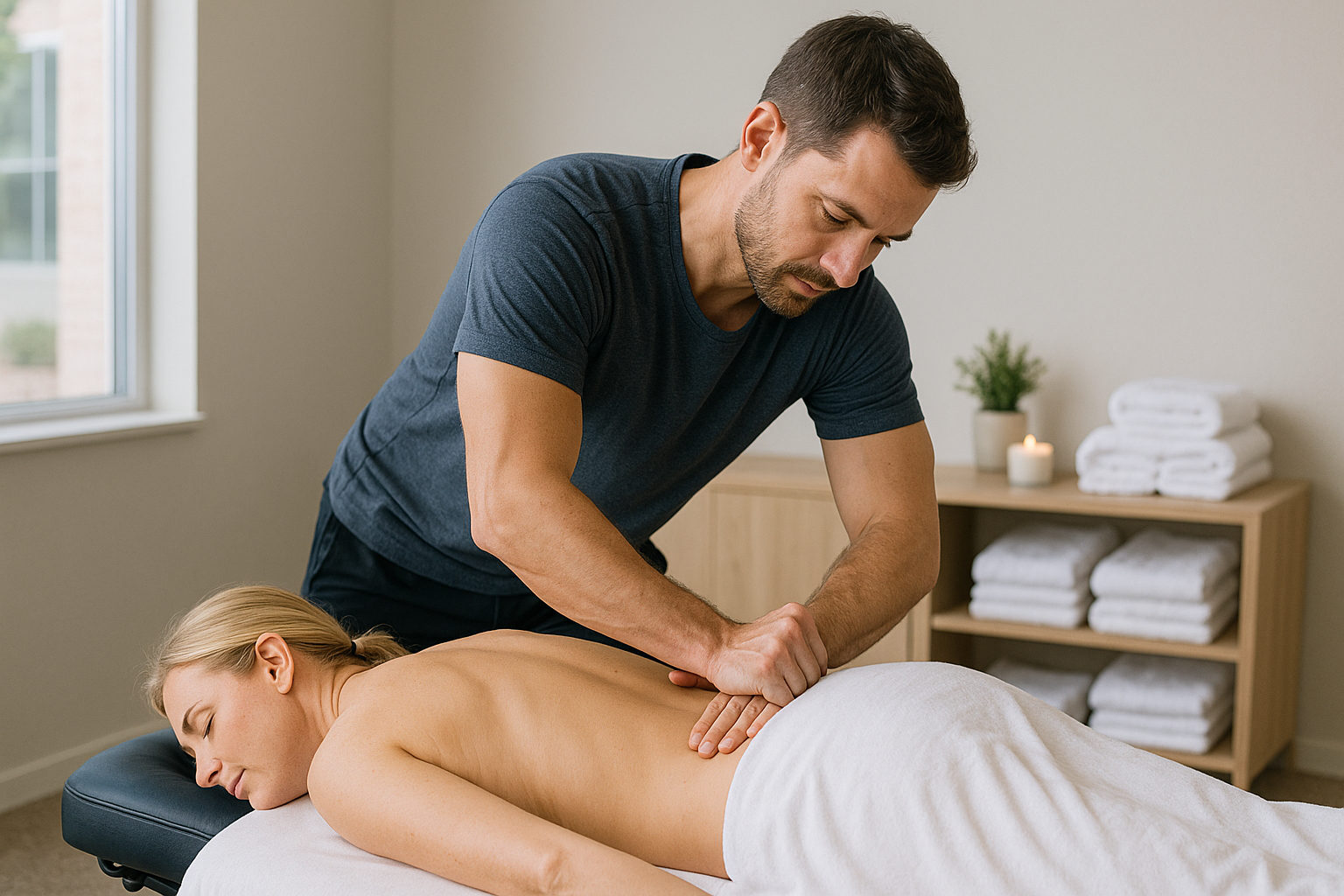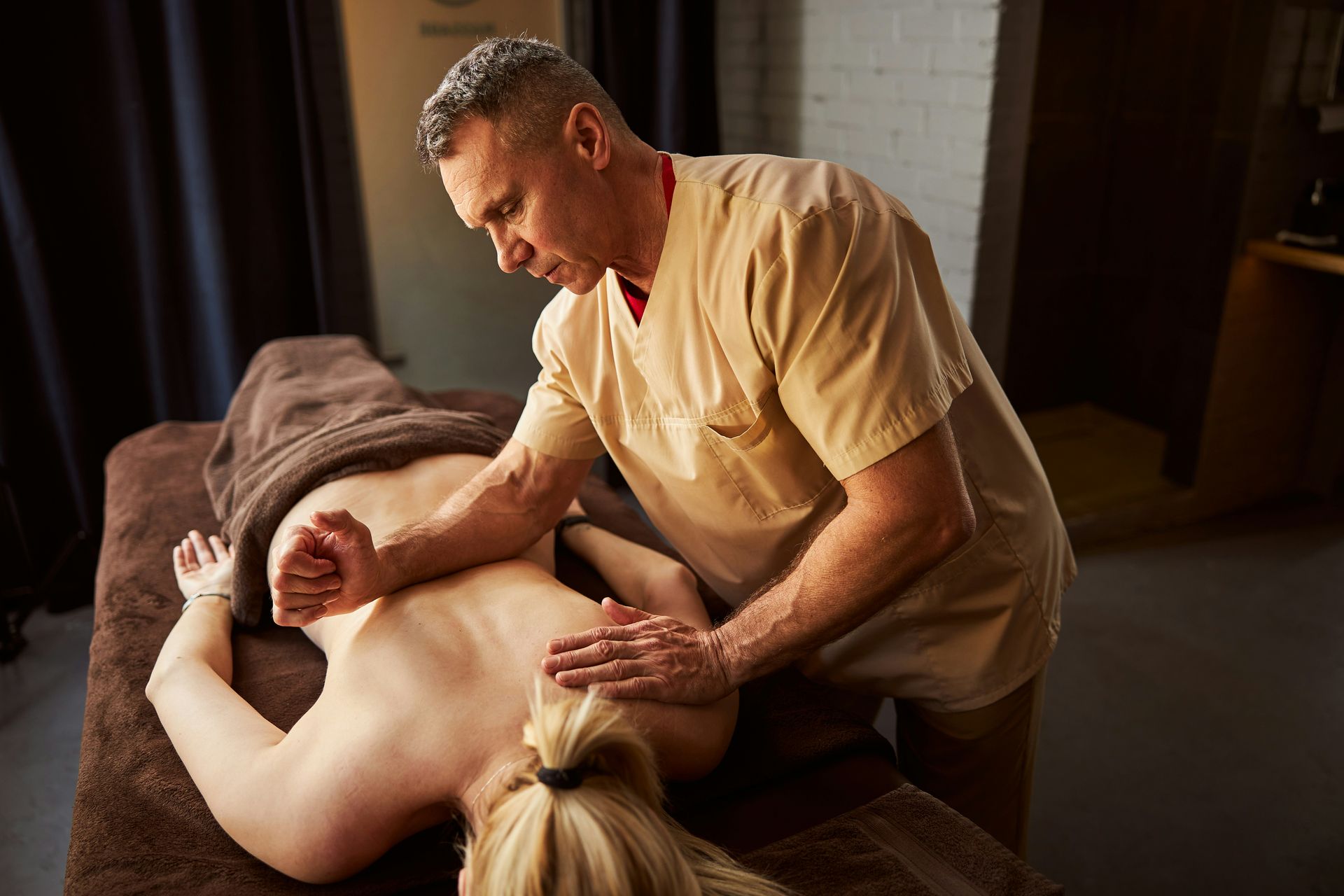
Myofascial Release vs. Massage – Which Is Right for You?
When most people search for a massage in Las Vegas, they’re looking for relaxation, stress relief, or help with sore muscles. Massage therapy is familiar and easy to book, making it a popular choice. But while massage has undeniable benefits, its effects are often temporary.
Myofascial Release (MFR) takes bodywork to a deeper level, offering not only the calming effects of massage but also longer-lasting therapeutic results.
If you’ve ever walked out of a massage feeling amazing only to have your pain or stiffness return within a day or two, it may be time to explore MFR as a more effective option.
What Is Fascia, and Why Does It Matter?
Most people have heard of muscles and joints when it comes to aches and pains, but fascia often flies under the radar. So, what exactly is fascia? Think of it as your body's built-in support suit: a stretchy, web-like layer of connective tissue that surrounds your muscles, bones, nerves, and organs—kind of like the white pith inside an orange, holding everything in place but still allowing movement.
Over the years, your fascia can lose its bounce. Repetitive movements, long hours at a computer, sports injuries, or even daily stress can cause fascia to tighten and stick together. When this happens, it may feel like your body is wearing a too-tight wetsuit, making it tough to move freely. Tense fascia can squeeze nerves and restrict blood flow, which can translate to pain, stiffness, and limited flexibility.
You might notice:
- Ongoing aches that never quite go away
- Areas that feel "stuck" or hard to stretch
- A tendency to shift weight or posture to avoid discomfort
Unlike general muscle tension, these fascial restrictions don’t always respond to traditional massage. That’s where Myofascial Release comes in—with a focus on restoring the fascia’s natural glide and elasticity, helping you feel balanced and at ease in your own body.
Factors to Weigh When Deciding Between Massage and Myofascial Release
Choosing between massage and Myofascial Release isn’t always as simple as picking what sounds relaxing. Your goals, symptoms, and what you hope to accomplish with bodywork are all important pieces of the puzzle.
Let’s break it down:
- Seeking Relaxation or Muscle Relief?
If your priority is unwinding, letting go of stress, or recovering from general soreness, massage therapy often fits the bill. It’s designed to soothe the nervous system, boost circulation, and gently loosen tight muscles—think of it as your classic “ahh, that’s better” experience.
- Battling Chronic Issues or Movement Restrictions?
If you’re dealing with lingering pain, stubborn stiffness, trouble with posture, or areas that just feel “stuck,” Myofascial Release may offer longer-lasting relief. This approach zeroes in on connective tissue (the fascia) to tackle patterns that basic muscle work might not reach.
Consider Your Individual Needs
Everyone's body tells a different story. When choosing your treatment, think about:
- Pain Patterns: Where do you consistently feel tension? How does it show up—in your neck, shoulders, lower back?
- Posture and Movement: Is your posture affected by old injuries or daily habits (like staring at screens or long commutes)?
- Soft Tissue Quality: Do certain areas feel knotted, dense, or resistant to pressure even after a standard massage?
- Overall Goals: Are you after pure relaxation, or is your focus on recovering mobility, supporting an active lifestyle, or managing chronic conditions?
-
Why a Blended Approach Works
Sometimes, the best results come from combining techniques. There’s no need to put yourself in a “massage only” or “MFR only” box. For many, integrating both therapies—perhaps alongside approaches like physical therapy or Pilates—leads to greater flexibility, lasting changes, and faster healing.
And remember, a skilled therapist will help you sort through these options. They’ll listen to what you want, assess your unique situation, and design a session—or series of sessions—tailored specifically for you.
What Sets Massage Apart from Myofascial Release?
Although both therapies involve the healing touch of a skilled practitioner, the difference lies in what’s being treated—and the kind of results you can expect.
Technique: Muscles vs. Fascia
A classic massage in Las Vegas usually means flowing strokes, kneading, and focused pressure aimed at soothing tired muscles. It’s a rhythmic, often full-body approach that feels wonderful in the moment. Think of it as the Swiss Army knife for relaxation and general muscle tension—effective, versatile, and reliable.
Myofascial Release (MFR), on the other hand, zeroes in on the body’s network of connective tissue—your fascia. MFR isn’t about the typical sweeping motions or working “out the knots.” Instead, it uses slow, sustained pressure at very specific points, waiting patiently for the fascia to release restriction. This meticulous approach can feel more subtle, but it goes beyond muscle to address stubborn tightness that regular massage often can’t touch.
Results: Short-Term Relief vs. Lasting Change
Massage therapy shines when it comes to easing stress, releasing built-up tension, and offering you that blissful sense of relaxation—perfect for a reset after a long week or a Vegas adventure. However, its magic is often fleeting; many people notice their aches and pains slowly return, especially when underlying issues haven’t been addressed.
Myofascial Release is designed for those who want to dig deeper. If you’re dealing with chronic pain, postural imbalances, or old injuries that never seem to go away, MFR aims for longer-term change by unwinding restrictions in your connective tissue. The goal isn’t just to feel better now, but to create real, lasting improvement in how your body moves and feels.
So, if you’re seeking quick comfort and a mental escape, massage is your ticket. But if you’re ready to tackle chronic discomfort at the source, Myofascial Release may be your best bet.
How Does Myofascial Release Work—and What Problems Can It Help With?
While massage is great for melting away tension in the muscles, myofascial release (MFR) operates on a different layer—literally. The focus here is your fascia: a vast, web-like network of connective tissue that wraps around your muscles, bones, and organs. Over time, life happens—think slouching at your desk, old injuries, or just the daily grind—and this fascia can become stiff, sticky, and restricted.
Instead of the typical kneading or pressing strokes you’re used to from massage, MFR involves a slower, more intentional approach. Your therapist uses gentle, sustained pressure, holding certain spots until the tissue starts to soften and lengthen. This process isn’t about brute force—it’s about patience and coaxing the body to unwind old tension patterns, restoring smooth movement and flexibility right where it counts.
What Kinds of Issues Respond Best to MFR?
Myofascial release can be a game changer when:
- You’ve got chronic aches or pains that haven’t budged after regular massages
- Stiffness or loss of flexibility is affecting your posture, movement, or daily comfort
- You’re dealing with pain that seems to radiate or doesn’t stick to one muscle group
- Areas affected by scar tissue or past surgeries need targeted attention
- You live with persistent conditions like plantar fasciitis or fibromyalgia that don’t always respond to standard therapies
So, if your body keeps sending you the same pain memo after each massage, or your aches seem to outfox traditional treatments, MFR may be the missing puzzle piece.
Shared Benefits of Massage and MFR
Massage and Myofascial Release share some of the same immediate effects, which is why many clients enjoy both therapies.
Why Treat Both Muscles and Fascia?
When bodywork addresses both muscles and fascia, you get more than surface-level relief—you target the root of persistent tension and restriction. Muscles do the heavy lifting, but it’s the fascia, a web of connective tissue wrapping around every muscle fiber, that keeps you moving smoothly and pain-free.
Working on both layers means:
- Deeper, longer-lasting comfort: Tackling fascial restrictions can help prevent pain from returning, instead of just easing it for the moment.
- Improved mobility: When fascia glides easily, joints and muscles follow suit—leading to better flexibility and a greater range of motion.
- Fewer flare-ups: By addressing underlying fascia tightness, you’re less likely to experience recurring stiffness or the “yo-yo effect” after massage.
- A sense of whole-body ease: Everything from daily tasks to your next spin class at SoulCycle can feel smoother and more comfortable.
Blending muscle and fascia work is the secret sauce to not just feeling better today, but enjoying lasting results that support an active Las Vegas lifestyle.
Stress Reduction & Relaxation
Massage calms the nervous system and promotes relaxation, and MFR does the same — but with an added sense of mental clarity that comes from endorphin release. Both therapies are excellent for reducing stress and giving your body time to recover from daily demands.
Circulation & Recovery
Improved blood flow is a major benefit of massage therapy, and Myofascial Release also enhances circulation. This helps muscles recover faster, reduces soreness, and supports overall healing.
Why Personalized Care Matters
Choosing between massage therapy and Myofascial Release isn't a one-size-fits-all decision—it truly depends on your unique body, pain patterns, and goals. While both therapies provide valuable benefits, everyone holds tension in different places, moves in distinct ways, and recovers at their own pace.
Personalized care takes the guesswork out of the equation. A skilled therapist will assess how your body responds to pressure, identify your postural habits, and ask about your daily routine and any ongoing discomfort. By considering factors such as:
- Where you experience pain or tightness
- How your body moves and compensates
- The texture and responsiveness of your muscles and fascia
- Your lifestyle, stress levels, and recovery needs
…your practitioner can recommend a blend of therapies that addresses not just symptoms, but the root cause.
Just as elite athletes (think Serena Williams or LeBron James) work with teams of specialists to keep them moving at their best, you deserve a plan tailored to your individual needs. Whether you need deep relaxation, lasting pain relief, or support for active living, personalized care ensures you receive the right approach at the right time—maximizing the healing benefits and helping you move with greater ease.
This way, you’re not just getting a generic session. Instead, every treatment is designed with your body’s unique story in mind, allowing you to experience deeper, longer-lasting results.
When Massage Therapy Shines
Massage tends to be the hero when you’re dealing with the classic “tech neck” or the general muscle exhaustion that comes from daily routines. Here are a few scenarios where traditional massage is often the way to go:
- Desk Jockeys & Office Warriors
If your job has you glued to a screen and your shoulders live somewhere near your ears by the end of the day, a good massage helps those overworked muscles unwind. Gentle kneading relieves tension and encourages your body to hit the reset button. - Weekend Warriors & Fitness Fans
Whether you just finished a CrossFit class at Lifetime Fitness or humbled yourself on the local tennis courts, post-workout soreness responds beautifully to the soothing touch of massage. It promotes blood flow and helps muscles recover more quickly after physical exertion. - Anyone Needing a Mental Break
Sometimes, it’s less about chronic pain and more about escaping stress. Massage therapy calms the nervous system, making it ideal for anyone needing rapid stress reduction—think students during exams or parents spinning too many plates.
In each of these cases, classic massage provides a more immediate sense of relaxation and relief, setting the stage for whatever your day—or Netflix binge—throws your way.
Choosing the Right Approach: How Assessment Guides Your Treatment
So, how do you decide between massage and Myofascial Release—or figure out if a blend of both is what your body truly needs? That’s where a personalized assessment comes into play.
When you come in, your session begins with a discussion about your symptoms, daily habits, and goals for recovery. From there, a hands-on evaluation helps identify specific pain patterns, areas of muscle tension, postural habits, and the unique ways your body holds stress.
Here’s what goes into the decision-making process:
- Location & Type of Discomfort: Is your pain widespread, or do you notice specific spots that always seem tight or sore?
- Movement & Alignment: How do you carry yourself—are there noticeable imbalances or restrictions when you move?
- Tissue Quality: Does your muscle or fascia feel especially tight, knotted, or unresponsive to regular massage?
- Lifestyle Factors: Your job, activity level, and even recovery needs all play a role in shaping the most effective plan.
By putting all these puzzle pieces together, we can recommend the ideal blend of techniques. Sometimes, that means starting with massage for overall relaxation, then layering in Myofascial Release for those stubborn, deep-seated restrictions.
The result? A care plan tailored to your body—not a one-size-fits-all routine—so you can move better, recover faster, and get lasting relief.
Exclusive Benefits of MFR
Here’s where MFR sets itself apart from traditional massage in Las Vegas.
Who Benefits Most from Myofascial Release?
So, when is Myofascial Release the clear winner? This technique really shines for those nagging aches and stubborn issues that never quite go away, no matter how many massages you book. If you’ve been dealing with pain that seems to migrate, tight spots that never truly loosen, or even odd tugs in your posture, MFR might be your answer.
Common conditions that tend to respond well to MFR include:
- Chronic pain (especially when stretching or massage hasn’t helped)
- Limited mobility and stiffness that just won’t budge
- Postural problems—think rounded shoulders or forward head posture from hours at a desk
- Pain that doesn’t line up with a specific muscle, like shooting discomfort or soreness that radiates
- Scar tissue and adhesions that develop after surgery or injury
- Fibromyalgia, plantar fasciitis, and other persistent soft tissue conditions
- Recurring headaches or jaw pain linked to tension in the fascia
People with these symptoms often find traditional massage provides temporary comfort, but the deeper restrictions in their connective tissue need MFR’s slow, sustained pressure to truly unwind and heal. If you’ve hit a plateau with other therapies, Myofascial Release can help restore your body’s natural balance and movement.
Natural Endorphin Release (“Runner’s High”)
One of the most unique benefits of MFR is the natural high it produces. By releasing fascia restrictions and stimulating the body’s natural healing response, MFR often triggers endorphin release. This leaves clients not just relaxed, but energized and uplifted.
Long-Term Pain Relief
Massage feels great but usually provides short-term relief.
Why Does Pain Sometimes Return After Massage?
It’s a common story: You booked a relaxing massage, enjoyed every minute, but the same old aches creep back within a couple of days. You’re not alone—many people experience this cycle. That’s because traditional massage works primarily on muscles, providing fantastic immediate relief but often missing the deeper root of recurring pain.
Here’s why: many stubborn aches, stiffness, or loss of mobility aren’t just muscle issues. They’re tied to restrictions in the fascia—the connective tissue web that wraps, supports, and connects everything from your muscles and bones to your nerves. If this fascia becomes tight or sticky from injury, overuse, or daily stress, it can trap nerves and limit movement, causing that persistent discomfort to resurface even after a good massage.
Myofascial Release steps in where standard massage leaves off, gently targeting and releasing these fascial restrictions. While a massage may ease muscle tension, MFR aims for long-term change by restoring tissue pliability and encouraging your body’s natural healing response. This means the pain doesn’t just take a break—it actually starts to resolve at its source.
So if you keep finding yourself on the massage table hoping for more lasting relief, it may be time to consider going beyond the muscles and addressing the connective tissue for real, sustainable results.
Myofascial Release works on the underlying connective tissue, which means the results last longer and improve with each session. Clients struggling with back pain, neck stiffness, or chronic conditions find this especially valuable.
Improved Posture and Range of Motion
Because fascia connects throughout the body, restrictions can limit flexibility and cause posture problems. MFR frees up these restrictions, helping clients stand taller, move easier, and prevent future injuries.
Effective for Chronic Conditions
While massage may offer temporary relief for conditions like fibromyalgia, migraines, or stress headaches, Myofascial Release addresses the root cause of tension patterns, making it more effective in the long run.
How to Decide Between Massage and Myofascial Release
You might be wondering which approach best fits your needs: massage therapy or Myofascial Release (MFR)? The right choice depends on your specific goals and what you hope to achieve.
Consider the following:
- For Relaxation and Tension Relief:
If your main goal is to relax, unwind, or reduce daily muscle tension, traditional massage is an excellent choice. It’s perfect for hitting the reset button when life gets hectic or when you simply need to de-stress.
- For Chronic Pain, Stiffness, or Persistent Issues:
If you find yourself dealing with stubborn aches, ongoing stiffness, restricted movement, or recurring posture problems, Myofascial Release may offer a better solution. MFR is designed to address deep-seated issues in the fascia—making it particularly effective when massage alone isn’t enough.
Blending Massage and MFR for the Best of Both Worlds
Many clients find that a combination of massage and MFR provides the most comprehensive results. Integrating both methods can deliver the immediate relaxation of massage alongside the longer-lasting, therapeutic changes of Myofascial Release.
What to Consider When Choosing
To make the best decision, think about:
- Where you experience discomfort and how it impacts your daily life
- If your tension seems to return quickly after massage, signaling deeper restrictions
- Whether you have chronic conditions or injuries that haven’t responded to other approaches
- What your lifestyle demands in terms of recovery, flexibility, and ongoing self-care
If you’re still unsure, don’t worry—choosing between massage and MFR isn’t an all-or-nothing decision. The best therapists in Las Vegas will help you assess your needs, walk you through your options, and create a treatment plan tailored to your body’s unique patterns.
Not Sure Which Bodywork Treatment You Need?
If you’re wondering whether massage or Myofascial Release is right for you, don’t worry—you’re not alone. The good news? You don’t have to make the decision on your own.
When you book a session, we’ll start by taking a close look at your unique needs—everything from your pain patterns and how you move, to areas of tension and what you hope to achieve. You get a thorough, personalized assessment. We listen to your concerns, answer your questions, and talk through your goals, whether that’s managing pain, improving posture, or simply unwinding after a long week.
From there, we’ll recommend the best bodywork approach for you—sometimes it’s massage, sometimes it’s MFR, and often it’s a blend of both. The aim? To design a treatment plan that actually fits your lifestyle, keeps you moving, and helps you feel your best, day after day.