
What Is Myofascial Release (MFR)?


Book a Session

Myofascial Release (MFR) is a gentle, hands‑on therapy that targets fascia—the body’s three‑dimensional web of connective tissue that surrounds and supports muscles, joints, nerves, and organs.


When fascia tightens from stress, injury, or poor posture, it can restrict movement and create pain patterns that traditional massage in Las Vegas often can’t resolve for long.


MFR applies slow, sustained pressure to soften and lengthen restricted tissue, restoring fluid motion and easing discomfort. Many clients also experience a natural endorphin lift—often described as a calm, energized “natural high.”


How Fascia Affects Your Body

What Are Fascia and Myofascial Restrictions?

Think of fascia as your body’s built-in, head-to-toe bodysuit—a seamless network of connective tissue that envelopes your muscles, organs, nerves, and even your bones. Fascia isn’t just the “packing material” of the body; it helps everything glide and function smoothly, keeping your parts supported and in sync.


When life throws its usual curveballs—injuries, surgeries, repeated movements, or the 9-to-5 slouch—this web can stiffen or develop tiny “knots” called myofascial restrictions. These are sticky, thickened patches where the fascia gets tight, causing aches, limited movement, or those mysterious pains that seem to travel from one area to another (Las Vegas shuffle, anyone?).


Instead of simply treating the obvious sore spot, understanding fascia explains why that stubborn shoulder tension might actually be linked to your hip or even your feet. By addressing these interconnected restrictions, you can free up motion and restore your natural ease—helping your body rediscover its own version of smooth jazz.


A restriction in one region can tug on distant areas, causing widespread tension or stiffness. Because these restrictions are collagen‑dense and slow to change, quick strokes or deep kneading may only help temporarily.


By waiting for the tissue to respond, MFR allows the fascia to release at its own pace, improving circulation, mobility, and overall alignment.

Fascia fibers showing how connective tissue affects body movement and tension.

How Myofascial Release Works

During an MFR session, the practitioner sinks in without oil or lotion and holds gentle pressure until the tissue unwinds. You may feel warmth, lengthening, or subtle waves of release.


Unlike forceful techniques, MFR respects your nervous system, making it suitable for sensitive clients who don’t tolerate deep pressure well.


What to Expect in a Session

Sessions start with a brief assessment of posture and movement to identify key restrictions. Treatment focuses on priority areas while following how your body responds.


During your initial visit, your provider may also perform a more comprehensive evaluation, including a postural assessment and gentle tests of your strength and range of motion. This helps tailor the session to your body’s needs and ensures MFR is the right fit for you.


Once on the table, your body and mind are encouraged to relax. Most of the work involves gentle, sustained pressure; sometimes the provider's touch feels fluid and soothing, while at other times you may notice a light, sustained stretch through your limbs or along specific tissues. The provider might begin with the area where you feel pain, but since fascia connects throughout the body, they may also work on distant regions to address referred tension.


Most people describe the pressure as mild to moderate—very deep in effect but not painful. Afterward, light movement and hydration help your results last.


As your tissues release, you may notice warmth, subtle shifts, or a loosening sensation. Occasionally, there can be brief discomfort as old restrictions let go, and it’s not unusual to feel a touch of muscle soreness afterward—often a sign of postural changes as your body realigns. Over time, your therapist can also teach you simple self‑care techniques using foam rollers, a tennis ball, or massage sticks so you can continue supporting your progress at home.

You’ll leave with a clearer sense of what’s holding you back—and a practical path to lasting relief.


Is It Normal to Feel Sore After Myofascial Release?

It’s perfectly normal to notice a bit of lingering soreness or mild discomfort after your MFR session. As your fascia releases and your posture gently realigns, muscles may react in new ways—sometimes leading to a sensation similar to what you might feel after a good stretch or workout.


This temporary soreness is usually a sign that your body is adjusting to the changes created during your treatment. Most clients find that any tenderness fades within a day or two, replaced by increased mobility and a deeper sense of ease. Staying hydrated and moving gently after your session can help speed your recovery and enhance your results.


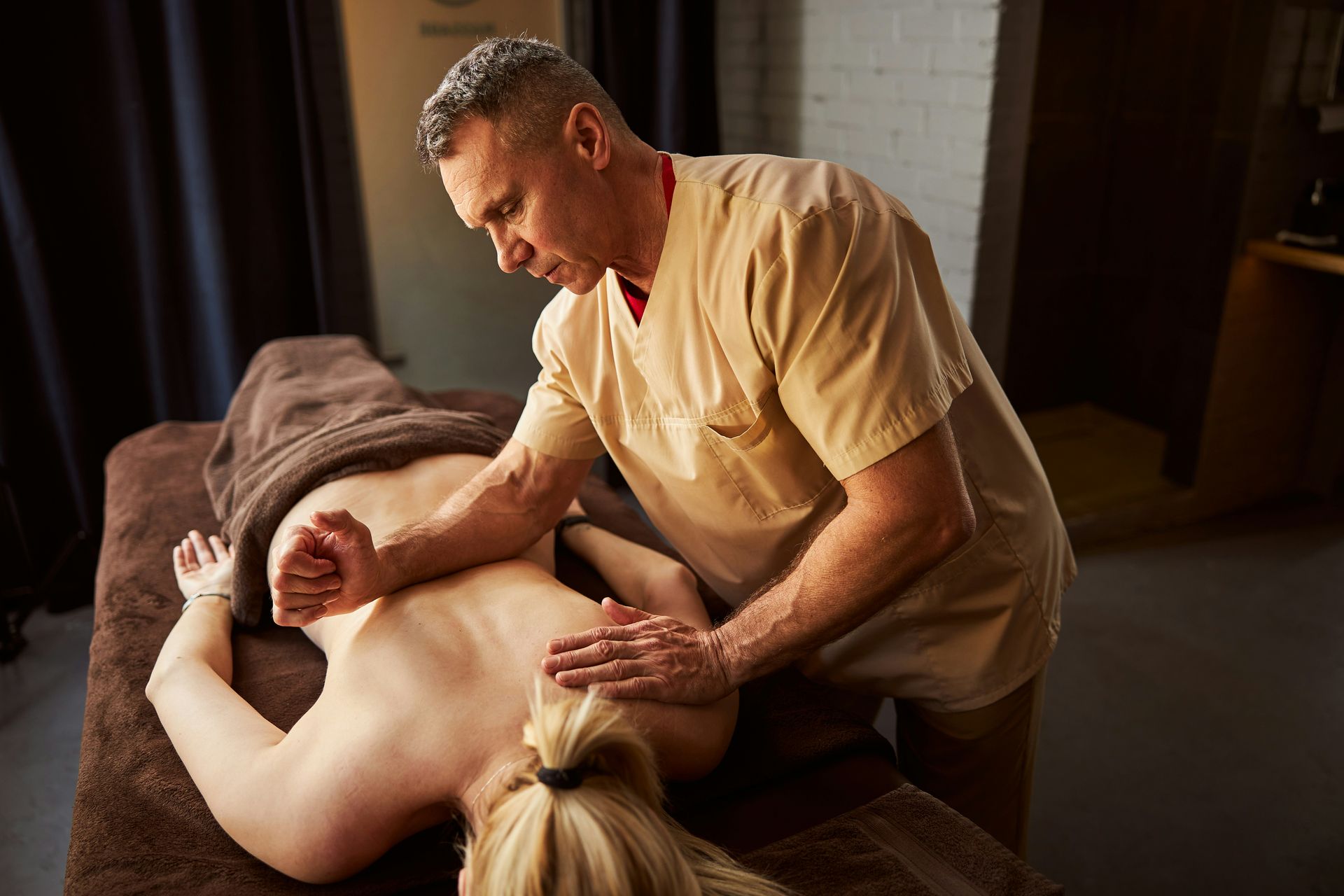
Therapist performing Myofascial Release in Las Vegas using deep, sustained pressure.

MFR vs. Traditional Massage in Las Vegas


A typical massage Las Vegas NV session uses rhythmic strokes to relax muscles and boost circulation—great for short‑term stress relief. MFR is different: it aims at the cause, not just the symptom, by releasing the connective tissue that keeps muscles and joints from gliding freely.


If you’ve tried massage therapy in Las Vegas and the same tight spots keep coming back, MFR offers a more targeted solution.


Lasting Results vs. Temporary Relief


Massage can feel amazing right away, but effects may fade within hours or days. Because MFR changes the tissue’s baseline tone and glide, improvements often stack from session to session—less pain, better posture, and freer movement that lasts longer.

Who Benefits from Myofascial Release?

  • Chronic neck/back pain & posture strain from desk work or travel

  • Athletes seeking faster recovery, fewer injuries, and better range of motion


  • Sports Injuries and Athletic Performance. Athletes at every level are discovering that myofascial release isn’t just for pain—it’s an effective strategy for staying limber, balanced, and injury‑free.


Which athletic issues respond best to MFR?

  • Overuse injuries common in runners and cyclists, like IT band tightness or repetitive strain.


  • Muscular imbalances that lead to certain joints working overtime while others get neglected.


  • Faulty movement patterns from old injuries or poor training habits. Many athletes also notice improved pelvic alignment and symmetry after MFR, setting the stage for smoother movement and peak performance. By addressing the underlying restrictions, MFR helps restore full range of motion and supports faster recovery—whether you’re on the field, track, or in the gym.


Other Common Conditions Helped By MFR

  • Stress, headaches, and jaw tension, where nervous‑system calming matters

  • Sensitive clients or fibromyalgia, who need effective yet gentle care

If you’re searching for a massage near me Las Vegas to feel better, consider MFR as the smarter next step—relaxation plus deeper, longer‑term relief.

Therapist performing Myofascial Release on client’s back in Las Vegas to relieve muscle tension and chronic pain.

When Myofascial Release Isn’t Recommended


While MFR is gentle and safe for most, there are certain situations where it’s best avoided. If you have a history of cancer, an active aneurysm, brittle bones due to severe osteoporosis, a recent fracture that’s still healing, advanced diabetes with complications, or any acute inflammatory conditions like severe rheumatoid arthritis, MFR may not be the right fit.


If unsure about your situation, discuss with your physician or healthcare provider before starting treatment—especially if you’re managing any complex medical conditions. Your well-being comes first, and a quick consultation can ensure myofascial release is both safe and beneficial for your unique needs.