Myofascial Release vs Traditional Massage: Which Treatment Is Right For You?

October 2, 2025

Understanding your body is key to knowing if massage or MFR is the right choice

When chronic pain and stiffness interfere with your daily life, finding the right therapeutic approach becomes crucial. Two popular treatment options - myofascial release and traditional massage - offer distinct benefits, but they work in fundamentally different ways. Understanding these differences can help you make an informed decision about which therapy will best address your specific needs.


Quick Decision Checklist


Choose Traditional Massage if:

  • You are looking for general relaxation or "pampering."
  • You want to de-stress after a long week.
  • You prefer the use of oils and rhythmic, gliding strokes.


Choose Myofascial Release at Body Unlocked if:

  • You have chronic pain that returns a day after a regular massage.
  • You feel "stuck," "tight," or have limited range of motion.
  • You have plateaued with Physical Therapy or Chiropractic care.
  • You want a structural solution that targets the root cause in the fascia.


What Is Traditional Massage?


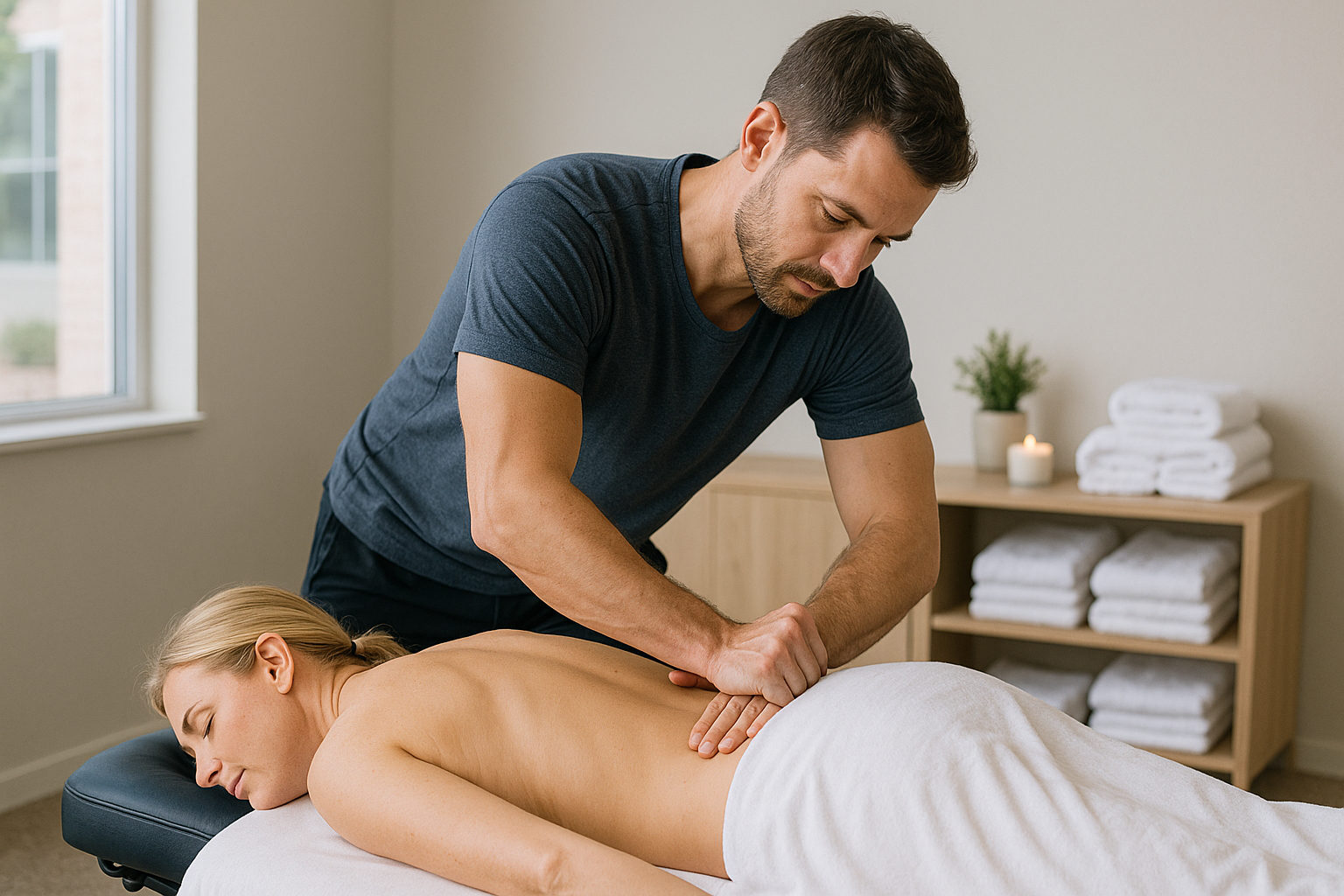
Traditional massage encompasses various techniques designed to manipulate muscles and soft tissues through kneading, stroking, and pressure application. Swedish massage, deep tissue massage, and sports massage are common forms that focus primarily on muscle relaxation and tension relief.


During a traditional massage session, therapists use their hands, forearms, and sometimes tools to apply pressure to muscles. The primary goals include improving circulation, reducing muscle tension, promoting relaxation, and providing temporary pain relief. Sessions typically last 60 to 90 minutes and follow established patterns of movement across different muscle groups.


Traditional massage works well for general stress relief, muscle soreness from exercise, and temporary tension. Many people find it relaxing and beneficial for overall wellness maintenance.


Understanding Myofascial Release Therapy


Myofascial release takes a different approach by targeting the fascia - the connective tissue network that surrounds and supports muscles, organs, and other structures throughout your body. This specialized therapy focuses on identifying and releasing restrictions in the fascial system that can cause pain, limited mobility, and dysfunction.


The fascia forms a continuous web throughout your body, connecting everything from your head to your toes. When this tissue becomes tight, restricted, or adhered due to injury, poor posture, or repetitive strain, it can create tension patterns that affect areas far from the original problem site.


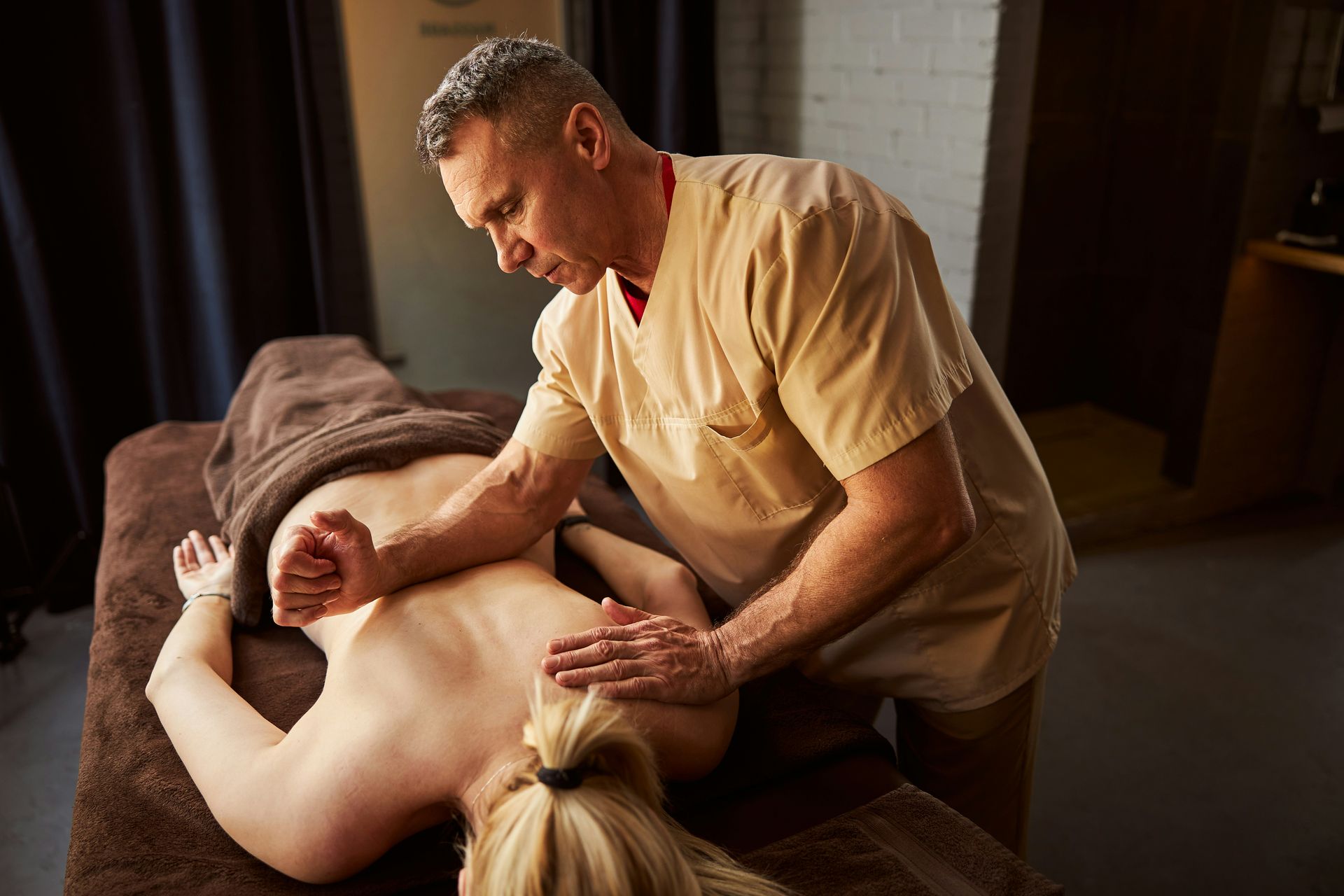
Myofascial release practitioners use sustained pressure and gentle stretching techniques to release these fascial restrictions. The approach is more targeted and systematic than traditional massage, often involving longer holds and specific positioning to address the root causes of pain and dysfunction.


Key Differences in Treatment Approach


The fundamental difference lies in what each therapy targets. Traditional massage primarily works on muscles, while myofascial release addresses the fascial system that interconnects your entire body.


Pressure and Technique: Traditional massage typically uses varying pressure with rhythmic movements. Myofascial release employs sustained, gentle pressure held for extended periods—sometimes several minutes—to allow the fascia to release naturally.


Treatment Focus: Traditional massage often follows a full-body routine, addressing multiple muscle groups in a session. Myofascial release takes a more targeted approach, focusing on specific restriction patterns and their connections throughout the body.


Duration and Frequency: While traditional massage sessions are usually scheduled regularly for maintenance, myofascial release often requires fewer sessions overall but may involve longer treatment periods as restrictions are systematically addressed.


Benefits of Traditional Massage


Traditional massage offers several well-established benefits that make it an excellent choice for many people:


  • Immediate relaxation and stress relief
  • Improved circulation and lymphatic drainage
  • Temporary muscle tension reduction
  • Enhanced sleep quality
  • General wellness maintenance
  • Social and emotional benefits through human touch


Traditional massage works particularly well for people dealing with everyday stress, minor muscle soreness, or those seeking regular wellness maintenance. It's also beneficial for athletes looking for recovery support after training or competition.


Advantages of Myofascial Release


Myofascial release offers unique benefits that address deeper structural issues:


  • Long-lasting pain relief by addressing root causes
  • Improved posture and body alignment
  • Enhanced range of motion and flexibility
  • Better movement patterns and coordination
  • Reduced compensation patterns that lead to secondary problems
  • Effective treatment for chronic conditions


This approach proves particularly effective for individuals with chronic pain conditions, postural problems, or those who haven't found lasting relief through other treatments.


Which Conditions Respond Better to Each Treatment?


Traditional Massage Works Well For:

  • General stress and tension
  • Acute muscle soreness
  • Circulation issues
  • Sleep problems
  • Wellness maintenance
  • Relaxation needs


Myofascial Release Is More Effective For:


What to Expect During Each Treatment


A traditional massage session typically begins with a brief consultation about your preferences and any areas of concern. You'll lie on a massage table while the therapist works through various muscle groups using oil or lotion to reduce friction. The experience is generally relaxing, with immediate benefits felt during and after the session.


Myofascial release sessions start with a more detailed assessment of your posture, movement patterns, and pain history. The therapist identifies restriction patterns and works systematically to release them. You may experience sensations of stretching, warmth, or tingling as the fascia releases. Some people feel emotional releases as well, since the fascia can hold trauma and stress.


Making the Right Choice for Your Needs


Consider myofascial release if you're dealing with chronic pain that hasn't responded well to other treatments, have postural issues, or experience recurring problems in the same areas. This approach is particularly beneficial if you're willing to invest in addressing the root causes of your pain rather than just managing symptoms.


Traditional massage might be your better choice if you're primarily seeking stress relief, general wellness maintenance, or treatment for acute muscle soreness. It's also ideal if you prefer a more predictable, relaxing experience focused on immediate comfort.


Some people benefit from combining both approaches - using myofascial release to address specific chronic issues while incorporating traditional massage for ongoing wellness and stress management.


Finding Qualified Practitioners


When seeking either treatment, look for licensed massage therapists, chiropractors, or physical therapists with experience in MFR. Be sure to read reviews of providers to see how satisfied their clients are with their results.


A qualified myofascial release therapist or chiropractor trained in soft tissue techniques should conduct thorough assessments, explain their findings, and develop treatment plans tailored to your specific needs. A professional should also provide education about self-care techniques and lifestyle modifications to support your progress. At my practice in Henderson (near St. Rose & Eastern), I prioritize these individualized assessments to ensure we are targeting the root cause of your pain rather than just the surface symptoms.


The American Massage Therapy Association provides resources for finding qualified practitioners in Las Vegas, while chiropractors can be verified at the Chiropractic Physicians' Board of Nevada website.


Both myofascial release and traditional massage offer valuable benefits, but they serve different purposes in the spectrum of therapeutic care. By understanding these differences and honestly assessing your needs, you can choose the approach that will provide the most effective relief and support for your individual situation. Remember that the best treatment is one that addresses your specific concerns while fitting into your lifestyle and wellness goals.


If you’re in the Henderson or St. Rose area and are tired of the 'temporary fix' cycle, our clinical approach at Body Unlocked is designed to provide the lasting relief that resort spas simply aren't equipped to handle.


Ready to see how Myofascial Release can unlock your potential? Click below to get started.

Book Now & Get 20% Off Call Us

Myofascial Release Articles

A person sits on a sofa, eyes closed, touching the bridge of their nose with a red glowing overlay representing head pain.
March 31, 2026
Tired of migraine treatments that fail? Discover how Myofascial Release at Body Unlocked in Henderson targets the fascia to provide lasting, drug-free relief.
March 19, 2026
Struggling with pregnancy back pain? Discover how Myofascial Release at Body Unlocked helps Henderson moms ease postural strain and prepare for a smoother birth.
People playing pickleball and golf on a sunny day at a resort.
March 5, 2026
Ready for Vegas spring sports? Learn why old injuries and posture are your biggest risks for golf and pickleball, and how Body Unlocked MFR keeps you on the court.